Dholpur
THE LAND OF THE RED STONE
About
Situated in the eastern part of Rajasthan, Dholpur became a separate district in 1982 comprising four tehsils of Bharatpur – namely Dholpur, Rajakhera, Bari and Baseri. Carved out of Bharatpur district, Dholpur is surrounded by Agra on the north, Morena district of Madhya Pradesh on the south and Karauli on the west.
Ever since its existence, Dholpur remains one of the most fascinating regions in the state that has witnessed the oldest civilizations, and is extremely rich in cultural heritage. It used to be the seat of the Dholpur princely state before Independence, and today is a city of diverse culture and historical grandeur.
The red sandstone from Dholpur is famous throughout the country and was famously used in the construction of the Red Fort in Delhi.
The history of this princely state is known to date back to Buddha’s time. Several centuries ago, Dholpur was a part of the Mauryan Empire and came under the rule of various rulers all along the Mughal period. Around the 8th to the 10th century, Dholpur was known to be ruled by the Chauhans.Until 1194, it continued to be under the rule of Mohammed Gauri.
Dholpur was initially known as Dhawalpuri named after the ruler Raja Dhawal Deo, also known as Dholan Deo Tomar who established the city in 700 AD (though some historians have dated the formation to 1005 AD.) Later, it came to be known as Dholpur.
Best Time to Visit
Peak Season (October – March): This is the most pleasant time to visit Dholpur. The weather stays cool and comfortable, making it perfect for river safaris, heritage walks, and fort visits.
Shoulder Season (April – May): Summer can be very hot, especially during the day, but early mornings and evenings are still enjoyable.
Off-Season (June – September): This is the rainy season which make travel tricky so does sightseeing. September has lighter rain and cheaper hotel rates, it’s a good time for budget travel.
Festival Calendar:
- Basant Panchami (January–February): Celebrated with vibrant kites, music, and sweets — marking the arrival of spring across the Dholpur region.
Dress code: Pack cotton clothes in summer, an umbrella/raincoat in monsoon, and light woollens for winter evenings.
Quick Facts & Information About Dholpur
Population : 133,000.
Famous For : Red sandstone architecture, Chambal River safaris, and historic forts
Best Season : October – March
Top Tourist Places to Visit in Dholpur
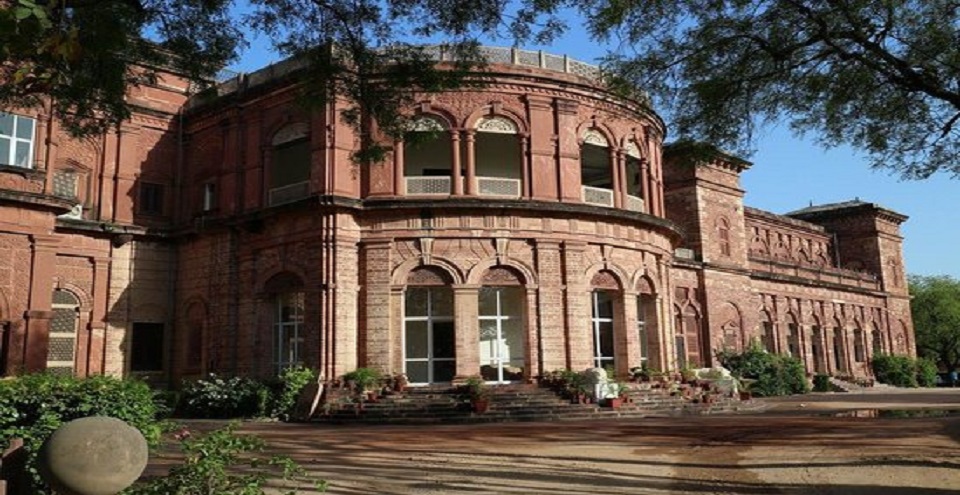
➊ Dholpur Palace: Built in the early 20th century, the Dholpur Palace stands as a graceful reminder of the region’s royal legacy. Constructed entirely from the town’s signature red sandstone, the palace glows in warm hues during sunrise and sunset. Wide courtyards, high-arched verandas, and ornate ceilings reflect a fine blend of Rajput and colonial architectural influences. Once home to the royal family, this striking palace made from local red sandstone now functions as a heritage hotel. Famous For: Red sandstone architecture, royal stay experience Best Time: October to March Entry Fee: Free
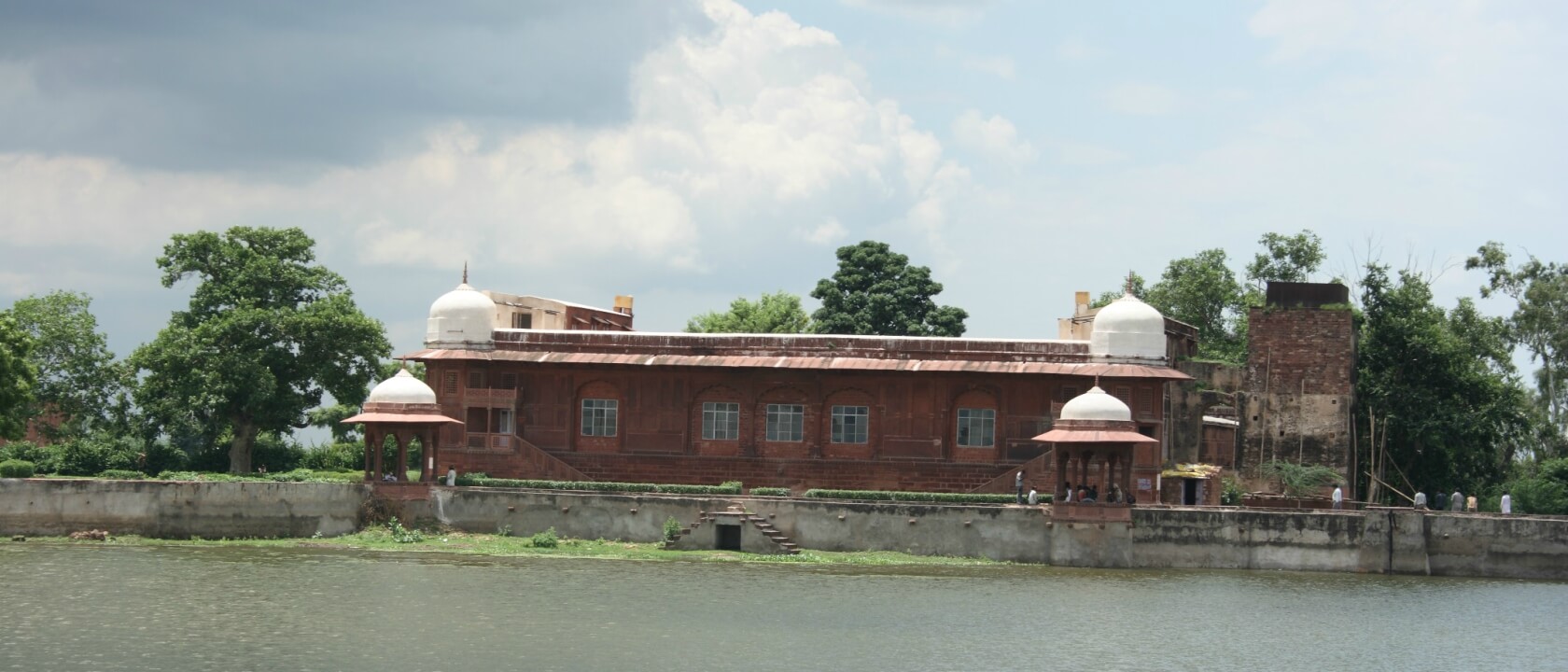
➋ Machkund Temple: Machkund Temple is one of Dholpur’s most spiritual and scenic spots. The site is named after Raja Machkund, a legendary ruler believed to have been blessed by Lord Vishnu. The temple complex circles a large sacred tank surrounded by intricately carved chhatris (pavilions) and domed shrines, each built in different periods by various kings. Visit early in the morning when the mist rises over the lake, and the temple bells echo softly in the background. Famous For: Religious significance, lake reflections, ancient carvings Best Time: October to March Entry Fee: Free
➌ Chambal Wildlife Sanctuary: The Chambal River, flowing near Dholpur, forms one of India’s last unpolluted river ecosystems. The Chambal Wildlife Sanctuary stretches across Rajasthan, Madhya Pradesh, and Uttar Pradesh, offering a pristine sanctuary for many endangered species. A guided boat safari is the best way to explore — gliding over still waters, you may spot gharial crocodiles, mugger crocodiles, turtles, and even the elusive Gangetic dolphin. Birdwatchers will find this place magical — with Indian skimmers, flamingos, kingfishers, and storks filling the sky. It’s peaceful, untouched, and ideal for travellers who love nature without crowds. Famous For: River safaris, dolphins, and migratory birds Best Time: November – February Entry Fee: Rs 600 – Rs 1500.
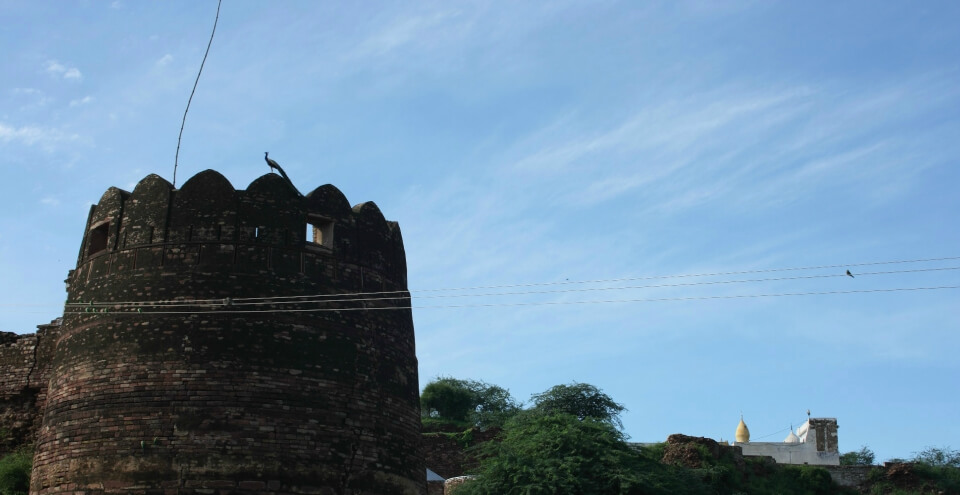
➍ Shergarh Fort: Perched above the Chambal River, Shergarh Fort is a fortress steeped in history. Built by Sher Shah Suri in the 16th century, the fort once guarded vital trade routes between Delhi and central India. Though partially in ruins today, its massive gateways, arched corridors, and remnants of old ramparts still carry a sense of power and resilience. From the top, you get panoramic views of the surrounding ravines and river plains — a landscape that changes color with the day’s light. Famous For: Mughal-era fortifications, river views, historical atmosphere Best Time: October – March Entry Fee:
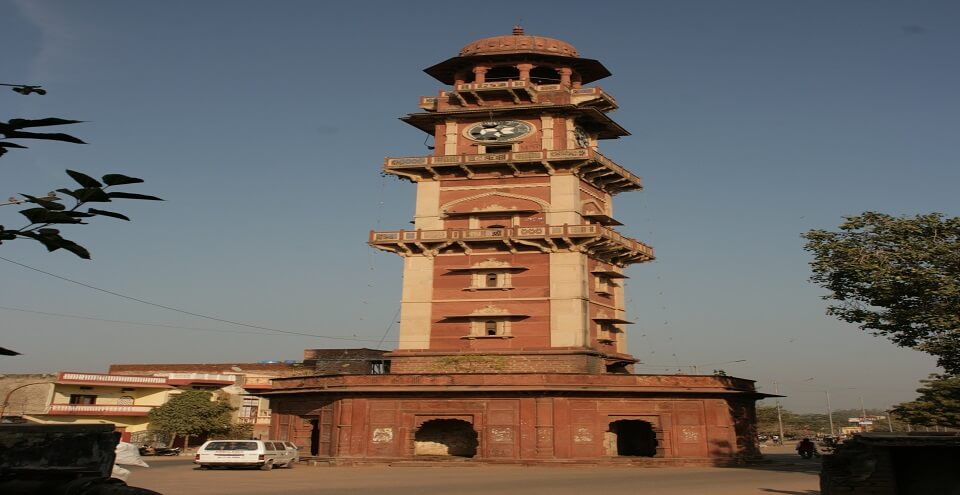
➎ Nihal Tower: Nihal Tower (also known as the Clock Tower) was built in memory of Maharaja Nihal Singh. Made from Dholpur’s trademark red sandstone, it stands tall as a local landmark and a fine example of colonial-era architecture blended with Indian design. The tower looks especially striking when lit in the evening. Famous For: Colonial design, panoramic town views Best Time: October to March. Entry Fee: Free
Top Things to Do in Dholpur
→ Jeep Safari at Van Vihar Sanctuary
Just a short drive from Dholpur lies the Van Vihar Wildlife Sanctuary, once the private hunting reserve of the Dholpur royals. Spread across dense scrubland and open meadows, it’s now a protected forest where deer, nilgai, jackals, and numerous bird species thrive. The place is ideal for short jeep rides, quiet walks, and spotting wildlife in their natural surroundings.
- Duration & Timing: November – March
- Best For: Jeep safaris, photography, birdwatching
- Approximate Cost: Rs 1500– Rs 2500 (depending on group size)
→ Boat Safari on the Chambal River
A boat safari on the Chambal River is one of the most unique experiences in Rajasthan. Far from the desert sands, this river forms a calm yet dramatic landscape of deep ravines, rocky cliffs, and wide stretches of still water. As you glide along, you might spot gharial crocodiles sunning themselves on the banks, turtles slipping silently into the river, and Gangetic dolphins surfacing briefly before disappearing again. The air is filled with the calls of kingfishers, skimmers, and other migratory birds that gather here during winter. The guides who operate these safaris are usually locals who know the river intimately — their stories about the wildlife and the Chambal’s past add a personal touch to the journey.
- Duration & Timing: November – February
- Best For: Wildlife, river safari, photography
- Approximate Cost: Rs 500– Rs 1500 (depending on group size)
→ Village Walks
Dholpur’s villages offer a glimpse of Rajasthan’s true heart — where life moves slowly, and traditions remain alive. A guided walk through nearby settlements takes you past small farms, open courtyards, and mud houses decorated with hand-painted motifs. You can see farmers working in the fields, women drawing water from wells, and children waving as you pass by. Some villages also have brick kilns and small workshops where you can see how local building materials are made.
- Duration & Timing: October–March
- Best For: Rural culture, local interactions, traditional crafts
- Approximate Cost: Rs 500– Rs 1500 (depending on group size)
→ Stone Craft Visit
Dholpur’s famous red sandstone has been used for centuries in some of India’s grandest monuments, and watching how it’s crafted is fascinating. A visit to a local stone workshop lets you see skilled artisans at work — chiseling, carving, and polishing large slabs into graceful pillars, arches, and intricate decorative pieces. The rhythmic sound of hammer and chisel fills the air, while layers of fine red dust settle softly on everything around. Many craftsmen come from families who have been doing this work for generations, and they are often happy to explain their process or demonstrate their techniques. Some workshops even sell small hand-carved souvenirs you can take home. Dholpurtours and packages offers every visitor a perfect blend of history, culture, and serene charm.
- Duration & Timing: November to February (mornings and late afternoons preferred)
- Best For: Traditional red sandstone craftsmanship, artisan workshops, heritage art
- Approximate Cost: Rs 1500– Rs 2500 (depending on group size)
How To Reach Dholpur?
By Air : The nearest airport is Jaipur International Airport, about 250 km away (4–5 hours by road).
By Train : Dholpur Junction lies on the main Delhi–Gwalior route and is well connected by express trains to Delhi, Agra, Gwalior, and Jaipur.
By Road : Dholpur is well connected by road to nearby major cities. Hiring a private car is the most comfortable option.
Things To Know Before Visiting Dholpur
- Book your boat safari in advance, especially during peak season (November–February), as morning and evening slots fill quickly.
- Dress modestly when visiting temples such as Machkund, and remove your footwear before entering.
- Carry drinking water, sunscreen, and mosquito repellent, especially if exploring rural or desert area.
- Public transport is limited, so it’s best to hire a private car for sightseeing and sanctuary visits.
- Always ask permission before taking pictures of locals, especially in village areas.
- Carry some cash for small purchases, local markets, or transport, though ATMs are available.
Frequently Asked Questions
 What is the best time to visit Dholpur?
 The ideal time to visit is between October and March, when the weather is pleasant for sightseeing and river safaris.
How many days are needed to explore Dholpur properly?
You can see the main sights in 2 days, but staying for 3 days allows you to enjoy both heritage and wildlife experiences at a relaxed pace.
Is Dholpur safe for tourists?
Yes. Dholpur is peaceful and welcoming. Normal precautions, like keeping valuables secure, are sufficient.
Is Dholpur safe for solo travellers/female travelers?
Absolutely. Dholpur is safe and welcoming. Choose reputable hotels, avoid isolated areas late at night, and use trusted guides or drivers for day trips.
What should I pack for a trip to Dholpur?
Pack light cotton clothes for daytime and a light jacket for cool evenings. Bring comfortable walking shoes, sunscreen, a hat, and mosquito repellent. Carry an umbrella or raincoat if visiting during the monsoon.
Which area is best to stay in Dholpur?
The Raj Niwas Palace area is ideal for those wanting a heritage experience.
Do I need a rental car or is public transport sufficient in Dholpur?
Public transport options are limited. Hiring a private car or taxi is the best way to cover major attractions and nearby villages comfortably.
How far is Dholpur airport from the city centre?
The nearest airport is Agra Airport, about 55 km away (around 1 hour by road).
What types of accommodation are available in Dholpur?
Dholpur offers heritage hotels, guesthouses, and mid-range stays.
How far in advance should I book hotels in Dholpur?
If you plan to travel during the winter season or festivals, book 2-3 months in advance for the best options.
What is the local cuisine of Dholpur?
Don’t miss the traditional sweets like rabdi and mawa kachori.
Are ATMs and card payments easily available in Dholpur?
Yes, ATMs are available in central town and most hotels and shops accept cards. However, carrying some cash is useful for small purchases, village visits, and local markets.
Explore the place
The City Maps
Trip Ideas
FEATURED ARTICLE
Light & Sound Show at MACHKUND
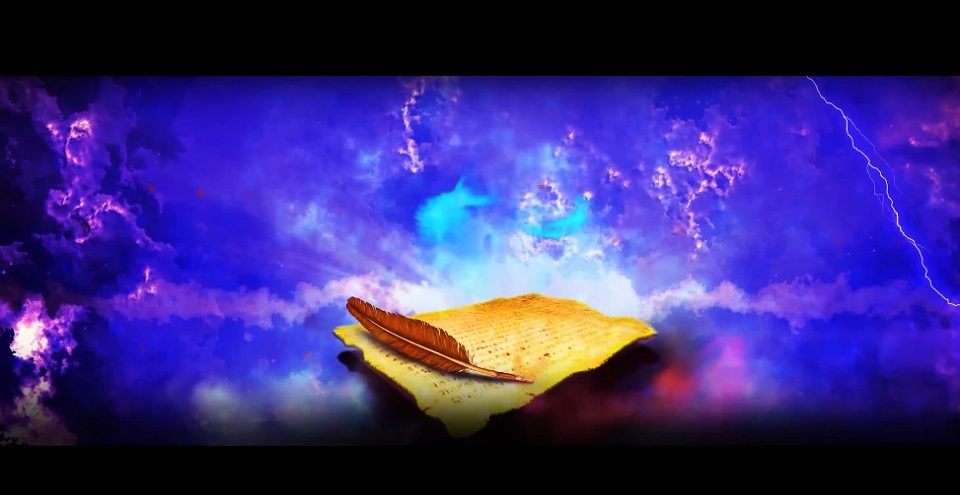
Light & Sound Show at Machkund (Dholpur) is one of the first 3-D projection mapping-based light & sound show in Rajasthan using 3-chip DLP projectors of 25,000 lumens, DMX controlled LED lights, 5.1 audio surround system, etc. Show depicts story of Maharaja Machkund, his support to Devas (God) in their war with demons, boon by Indradev to Maharaja Machkund for long lasting sleep of decades, killing of sages by demon Kalyavan and warning to kill Shri Krishna, disturbance of sleep of Maharaj Machkund by Kalyavan, killing of Kalyavan by Maharaj Machkund, creation of a water kund by Maharaja Machkund where he slept for years, importance of Machkund to local public of Dholpur, etc.
FEATURED ARTICLE
CITY PALACE
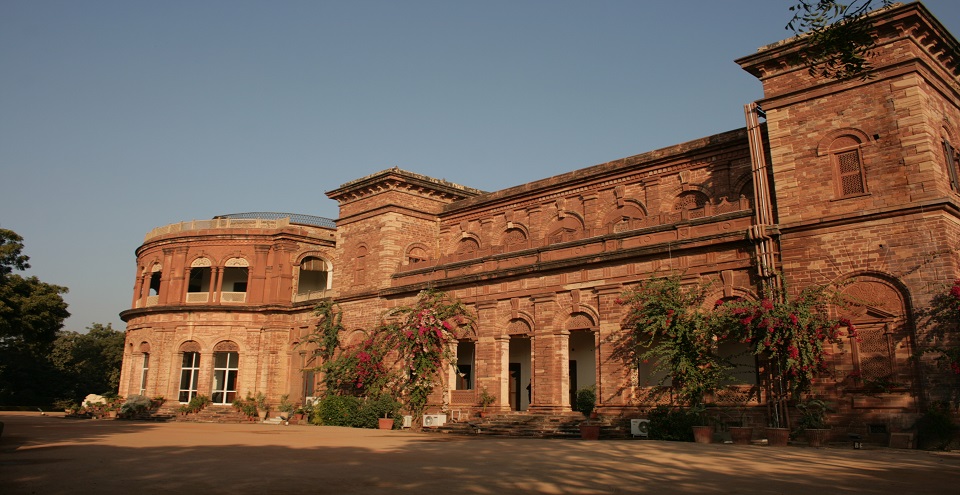
Also known as the Dholpur Palace, the City Palace is an opulent structure that seamlessly blends ancient heritage and elegant architecture. Once home to the Royal Family, this palace was built from red sand stone which illustrates the history, splendour and grandeur of the city. With the fierce Chambal ravines on its south-eastern end and the beautiful city of Agra at its north-west, the City Palace transports visitors back to the royal era with its impressiveness and mesmerising surroundings.
FEATURED ARTICLE
ROYAL STEPWELL
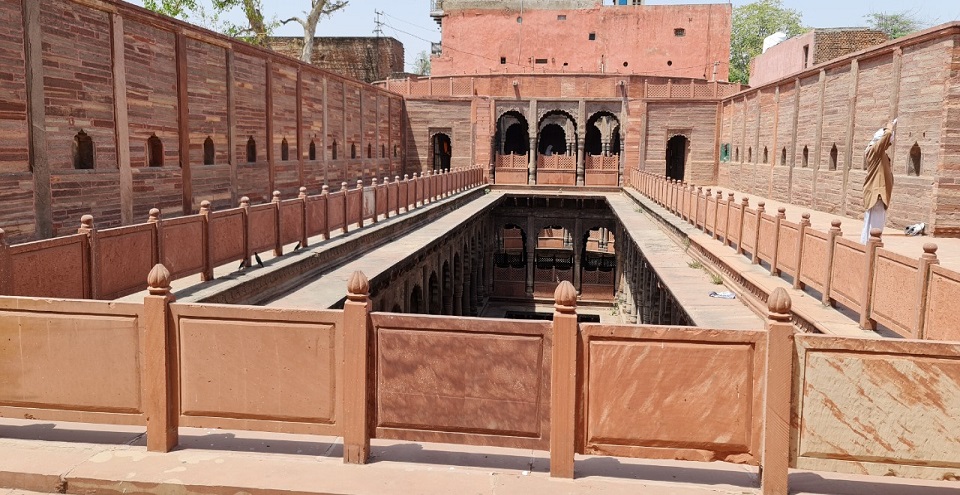
Constructed between 1873 -1880, this royal stepwell or ‘baori’ is situated behind the Nihaleshwar temple in city. This four storied building has beautiful artistic pillars and carved stones.
FEATURED ARTICLE
NIHAL TOWER
Situated at the Town Hall road and locally known as Ghanta Ghar, this 150-feet high tower was started by Raja Nihal Singh in the year 1880, and completed around the year 1910 by Raja Ram Singh. The foot of this tower is covered with 12 equal-sized gates and covers an area of around 120 feet.
FEATURED ARTICLE
SHIV TEMPLE AKA CHAUSATH YOGINI TEMPLE
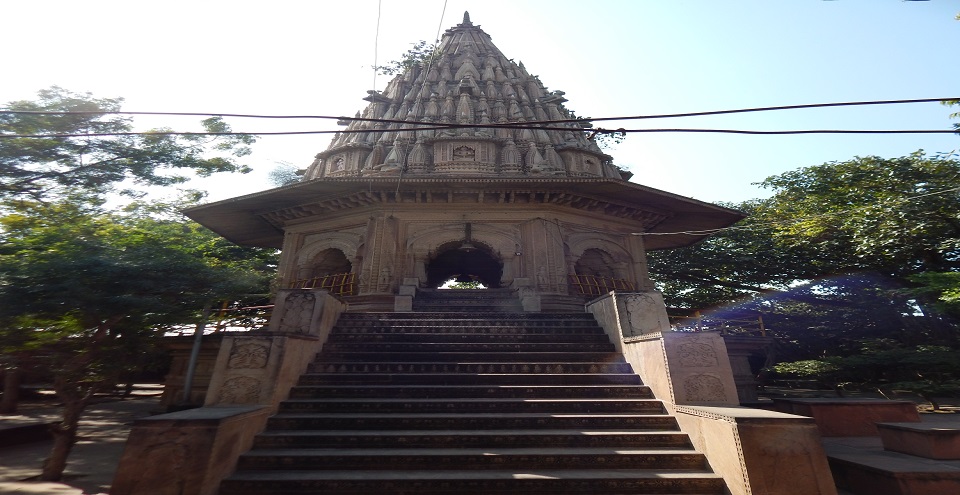
One of the oldest Shiv temples in Dholpur, the Chopra Shiv Temple was built in the 19th century. The month of March witnesses a large number of devotees and pilgrims here on the occasion of Mahashivratri. Additionally, the temple is thronged with devotees who come to pray every Monday, since it is considered to be the day of Lord Shiva. This ancient temple is also very famous for its mesmerising architecture.
FEATURED ARTICLE
SHERGARH FORT
Located to the south of Dholpur, the Shergarh Fort was built by Raja Maldeo of Jodhpur. It was reconstructed in 1540 by Sher Shah Suri and named after the Sultan of Delhi. This fort was initially built in defence against the rulers of Mewar. This historic monument is considered to be the epitome of rich, delicately-styled architecture from the past. Adorned with carved images, statues of Hindu gods and Jain motifs, the Shergarh Fort was once protected by water and is considered to be the charm of Dholpur.
FEATURED ARTICLE
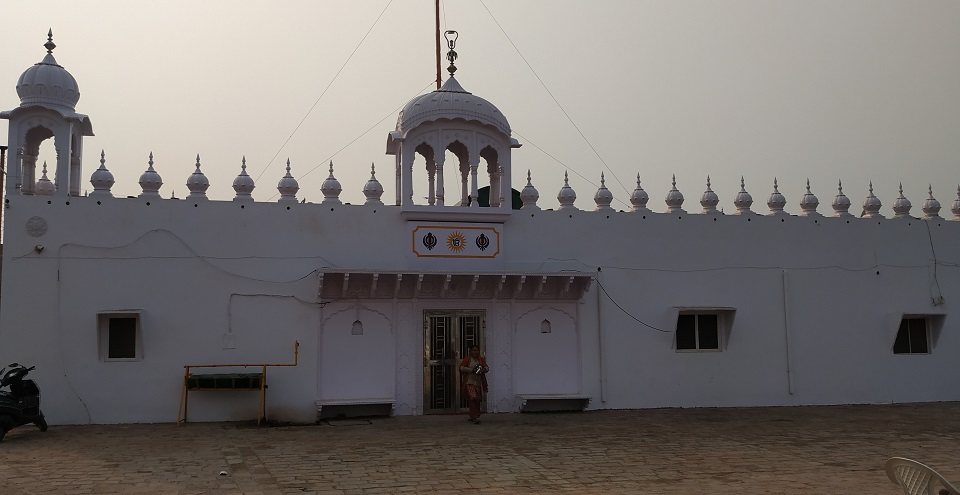
SHER SHIKHAR GURUDWARA
The Sher Shikhar Gurudwara was established near Machkund in Dholpur due to a significant visit by Guru Hargobind Sahib, who was known to be the sixth of the Sikh Gurus. The Sher Shikhar Gurudwara is one of the most important Gurudwaras and holds a place of historical importance in Sikhism. This spot attracts Sikhs from across the county to come and seek blessings of their ancestors and teachers.
FEATURED ARTICLE
MUGHAL GARDEN, JHOR
Situated five kilometres from Dholpur, the village of Jhor is significant for housing the oldest Mughal garden, known as Bagh-e-Nilofar. Though very little of the original garden has survived till date, the presence of the era of Emperor Babur who started the construction can still be felt here.
FEATURED ARTICLE
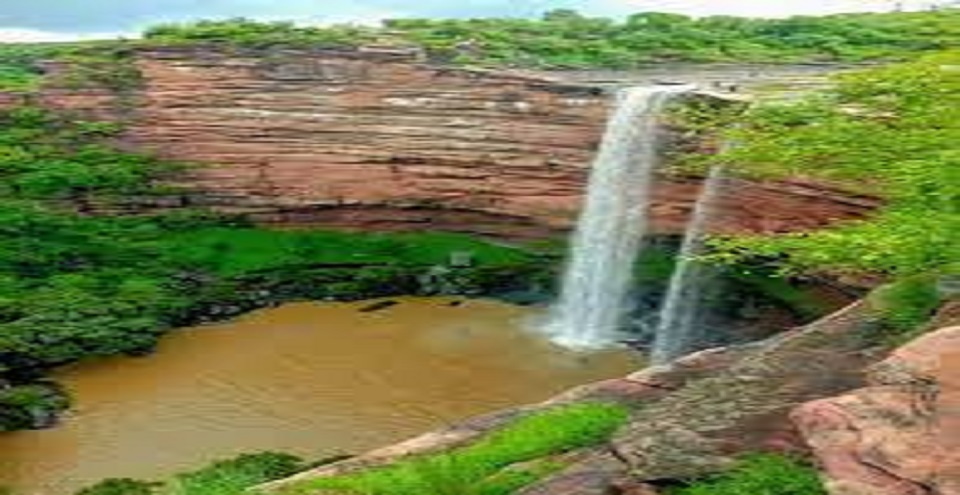
DAMOH
Damoh, a beautiful waterfall in Sarmathura, is one of the major tourist attractions in the district. The streams in this waterfall are known to remain dry throughout the year, except from July to September when embellish their surroundings with greenery and a variety of fauna.
FEATURED ARTICLE
TALAB-E-SHAHI
Talab-e-Shahi as the name suggests is a picturesque lake situated 27 km from Dholpur, and 5 km from Bari in Rajasthan. Both the lake and the palace were originally built as a shooting lodge for Prince Shah Jahan in the year 1617 A.D. The beauty and the location of this beautiful lake invites a number of winter migratory fowl such as pintail, red crested pochard, common pochard, tufted duck and pigeon.
FEATURED ARTICLE
VAN VIHAR SANCTUARY
One of the oldest wildlife reserves of the rulers of Dholpur, Van Vihar Sanctuary is spread over an area of about 25 sq. km over the Vindhyan Plateau. The sanctuary is characterised by a wide range of fascinating flora and fauna that grabs the tourists’ attention. Endowed with animals like sambhar, chital, blue bull, wild boar, sloth bear, hyena and leopard, the Van Vihar Sanctuary is very popular among nature lovers visiting Dholpur.
FEATURED ARTICLE
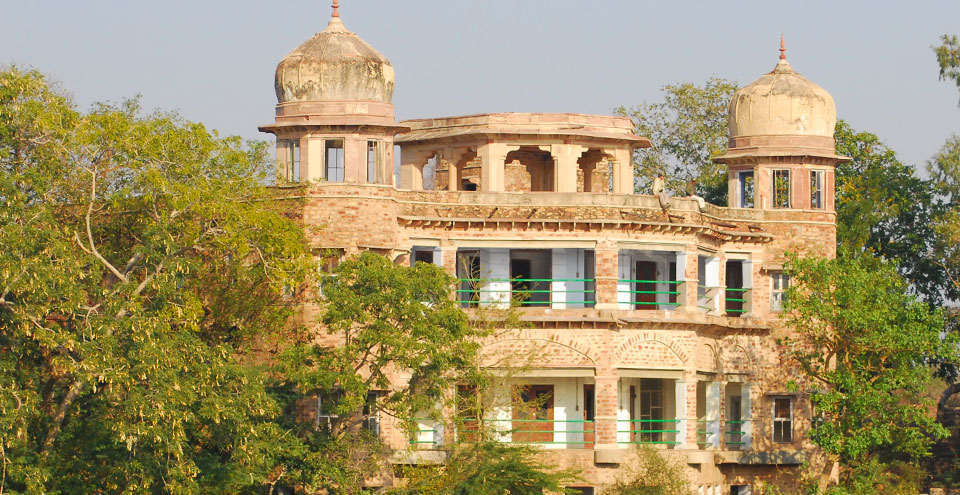
DHOLPUR PALACE
The Dholpur Palace, renowned across the country for its locally quarried sandstone, originally belonged to the Rajputana kingdom. This famous red stone was widely used in construction of spectacular forts and palaces as a mark of protection around the widely spread dominion. The palace’s classic exteriors and rich heritage is alluring to the onlookers and invites them for a journey of its vibrant history.