Sirohi
Hidden in the southern region of Rajasthan, Sirohi is a treasure of natural splendour, pious temples, and serene hill landscapes. Renowned as the "Gateway to the Desert," Sirohi identifies royal heritage with peaceful charm, welcoming travelers to a serene retreat.
About Sirohi
Situated at the foothills of the Aravalli Range, Sirohi is Rajasthan's most scenic and historic district. Established in the 15th century by Rao Sobhaji, the city was the capital of the princely state of Sirohi, famous for its Rajput bravery and majesty.
The city is endowed with hills, dense forests, and ancient temples that signify great cultural heritage. Sirohi is also famous for its exquisite artisans who create exquisite marble and metal work. Sirohi tourism now welcomes people seeking a quieter, truer Rajasthan experience – away from the hype and crowds. Whether discovering the ancient forts or the peaceful Mount Abu hills nearby, Sirohi offers a soulful travel experience.
Situated in the midst of the Aravalli Hills, Sirohi in Rajasthan is a fascinating destination with its calm landscapes, ancient temples, and royal heritage. The region beautifully blends spirituality, history, and natural beauty, making it a perfect escape for travelers seeking peace and cultural richness. Here are the top places to visit in Sirohi.
Quick Facts & Information About Sirohi
Location-
Northern Rajasthan, India
Population-
1,00,000
Best time to Visit-
October to March
Famous For-
Fresco Havelis, Temples, Heritage Walks
Top Tourist Places to Visit in Sirohi
01 Sirohi Fort
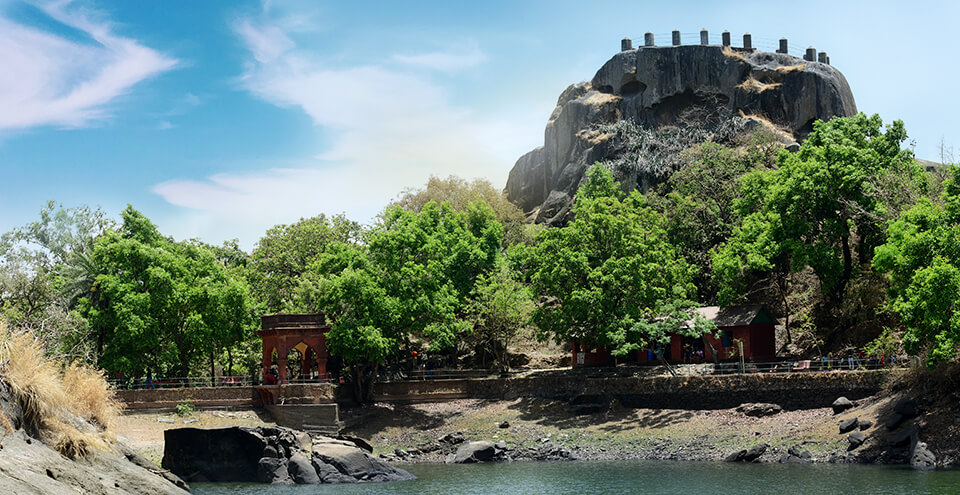
Constructed by Rao Sobhaji, Sirohi Fort is a lasting epitome of Rajput courage and architectural excellence. Situated atop a hill, the fort commands breathtaking vistas of the green valleys below. Though now in ruins, it still echoes with timeless tales of courage and royal grandeur. The best time to visit:October to February Entry Fee: Free
02 Pavapuri Jain Temple
Located around 45 km from Sirohi, Pavapuri Jain Temple is a stunning marble masterpiece and a revered pilgrimage destination for Jain followers. Encircled by tranquil water bodies, the temple exudes an aura of serenity and devotion. Its exquisite carvings and calm surroundings create an ideal setting for spiritual reflection and peaceful retreat. Entry Fee: Free Best Time to Visit: November to February
03 Mount Abu
Situated about 60 km from Sirohi, Mount Abu stands as Rajasthan's only hill station and a highlight of Sirohi tourism. With its cool climate, scenic landscapes, and renowned attractions like Nakki Lake and the Dilwara Temples, Mount Abu delights both nature enthusiasts and culture seekers. Each season here unveils a unique charm, making it a year-round destination. Entry Fee: Varies by attraction
04 Basantgarh
Once a fortified settlement of ancient times, Basantgarh is steeped in history. The site features the ruins of fort walls, early temples and historic step-wells that echo its former significance. Tucked away in the Sirohi district, it is a hidden treasure for lovers of history and architecture. Entry Fee: Free
05 Mirpur Jain Temple
Built in the 9th century, the Mirpur Jain Temple stands as one of Rajasthan's oldest marble shrines. Adorned with detailed carvings and magnificent sculptures, it beautifully showcases the refined craftsmanship and artistic heritage of early Jain architecture.
Top Things to Do in Sirohi
🌟 Heritage Walks
Stroll through the old quarters of Sirohi to explore traditional havelis, ancient temples, and bustling markets.
- Best For: Rajput architecture and local heritage
🌟 Temple Hopping
Visit the Pavapuri Jain Temple, Mirpur Jain Temple, and old Shiva shrines to experience spiritual peace and stunning marble architecture.
- Best For: Jain craftsmanship and religious heritage.
🌟 Day Trip to Mount Abu
A must on Sirohi tours and travels, Mount Abu offers boating on Nakki Lake, sunset points, and trekking opportunities.
- Best For: Hill station climate and Dilwara Temples.
Approximate Cost: Varies by attraction.
🌟 Explore the Local Markets
Shop for marble artefacts, brass items, and colourful Rajasthani textiles in Sirohi's vibrant bazaars.
- Best For: Handcrafted souvenirs.
🌟 Nature Trails and Birdwatching
The Aravalli foothills around Sirohi are ideal for nature walks and birdwatching.
- Best For: Scenic trails and wildlife.
🌟 Visit the Sirohi Palace Ruins
Explore the remains of the royal palace for a peek into the city's regal past. Whether you seek history, spirituality, or nature, each experience enhances Sirohi tours and packages, making your journey unforgettable.
- Best For: Historical ruins and sunset views.
How To Reach Sirohi?
By Air :
The nearest airport is Maharana Pratap Airport, Udaipur (120 km), connected to major Indian cities.
By Road :
Sirohi Road Railway Station links the city with Delhi, Jaipur, and Ahmedabad.
By Train :
Sirohi Road Railway Station links the city with Delhi, Jaipur, and Ahmedabad. Sirohi travel tips: For a seamless trip, book transfers through Sirohi tours and travels, which often include pickup and drop services. The city's scenic drives along the Aravalli range add charm to the journey, whether you're traveling by car or bus.
Important Travel Tips For Sirohi
Best Time To Visit Sirohi
The best time to visit Sirohi is between October and March, when the climate is cool and pleasant. This period is ideal for exploring forts, temples, and the Aravalli hills.
- Peak Season (Oct–Feb): Pleasant weather, ideal for sightseeing, but more tourists in Mount Abu.
- Shoulder Season (Mar–May): Hot but alright for early morning tours.
- Off Season (Jun–Sep): Monsoon with light rain and greenery – perfect for budget tourists.
Average temperatures range from 10°C in winter to 38°C in summer. For cultural enthusiasts, visiting during local fairs like Mahavir Jayanti and Navratri adds a festive touch to your trip.
Dress Tip: Pack light cottons for summer and light woollens for winter mornings.
Things To Know Before Visiting Sirohi
- Local Transport: Buses, e-rickshaws, and taxis are easily available for local travel. Hiring a private cab is ideal for exploring nearby attractions like Mount Abu and Pavapuri Jain Temple.
- Safety: Sirohi is generally safe for solo travelers and families, with friendly locals and a peaceful environment.
- Connectivity: The district has good road connectivity to major cities such as Udaipur, Jodhpur, and Ahmedabad.
- Local Food: Do not miss tasting Rajasthani classics such as dal baati churma, gatte ki sabzi, and spicy mirchi vada at roadside restaurants.
 Frequently Asked Questions
 What is the best time to visit Sirohi?
 It is best to visit Sirohi between October and March, when the weather is nice and ideal for sightseeing. This is the best time to comfortably explore temples, forts, and nature spots. Summer is very hot, so plan your Sirohi tours and packages during winter for the most comfortable travel experience.
How many days are needed to explore Sirohi properly?
A 2 to 3 day trip is enough to see Sirohi Fort, Pavapuri Jain Temple, and Mount Abu. If you want to add nature walks, temple visits, and explore nearby villages, plan for 4 days. We offer personalized itineraries that include all the major attractions, ensuring your trip is seamless and enjoyable.
Is Sirohi safe for tourists?
Sirohi is a safe and welcoming place for tourists in Rajasthan. As with any trip, it's best to keep your valuables safe and avoid going out alone at night to ensure a pleasant visit.
Is Sirohi safe for solo travelers/female travelers?
Absolutely! Sirohi is welcoming to solo and female travelers. Stay in centrally located hotels, explore during daylight hours, and use reliable transport or guided tours. The local community is friendly and helpful, making Sirohi tourism an excellent choice for women seeking cultural, spiritual, and safety.
What should I pack for a trip to Sirohi?
Wear light cotton garments during the summer season, along with sun protection, sunglasses, and a hat. Carry light woollens for cold winter mornings (November–February). Good walking shoes are a must for visiting temples and havelis. A small first-aid kit and a refillable water bottle are also handy travel items.
Which area is best to stay in Sirohi?
The city centre and areas near Mount Abu Road are the best places to stay in Sirohi. They offer easy access to attractions, restaurants, and transport options. Many Sirohi tours and packages include stays in heritage-style hotels or eco-resorts that provide both comfort and authentic Rajasthani hospitality.
Do I need a rental car or is public transport sufficient in Sirohi?
Local travel by public transport such as buses, e-rickshaws, and auto-rickshaws is possible. To visit temples and nearby towns, it is better to rent a personal car or book through Sirohi tours and travels. This provides comfort, flexibility, and easier access to hilly or far-flung places.
How far is Sirohi airport from the city centre?
The nearest airport to Sirohi is Maharana Pratap Airport in Udaipur, located about 120 km away. The journey takes around 2.5 to 3 hours by road. Pre-booked taxis or private transfers arranged by Sirohi Tours and Travels are the most reliable way to reach the city comfortably.
What types of accommodation are available in Sirohi?
Sirohi offers a range of accommodations, from budget guesthouses and mid-range hotels to heritage stays and eco-resorts. Luxury travelers can also stay in nearby Mount Abu. Many Sirohi tours and packages include hotel bookings, ensuring a blend of comfort, authenticity, and convenience for every type of traveller.
How far in advance should I book hotels in Sirohi?
If you plan to travel between October and February, it’s best to book hotels at least two weeks in advance. During this peak season, accommodations near Mount Abu and Pavapuri fill quickly. Early bookings through Sirohi Tours and Travels ensure better rates and guaranteed availability.
What is the local cuisine of Sirohi?
Sirohi’s cuisine is rich in traditional Rajasthani flavours, featuring dishes like dal baati churma, gatte ki sabzi, and spicy kachoris. Don’t miss local sweets such as mawa and ghewar, found in small shops near the main market. Most eateries serve freshly prepared, authentic vegetarian meals loved by visitors.
Are ATMs and card payments easily available in Sirohi?
ATMs are easily accessible throughout the main city and nearby areas. Most hotels and restaurants accept credit and debit cards, ensuring convenient transactions. However, it’s wise to carry some cash when exploring rural attractions or local markets, as digital payment facilities may not always be available.
Explore the place
The City Maps
Trip Ideas
FEATURED ARTICLE
Achalgarh Fort and Temple
Achalgarh Fort and Temple, Achalgarh is a fort situated about 11 kilometres (6.8 mi) north of Mount Abu, a hill station in Rajasthan, India. The fort was originally built by the Paramara dynasty rulers and later reconstructed, renovated and named as Achalgarh by Maharana Kumbha in 1452 CE, [1] one of the 32 forts built during his reign. The fort is in a dilapidated condition now. [2] The first gate of the fort is known as Hanumanpol, which served as the entrance to the lower fort. It comprises two towers built of large blocks of grey granite. After some ascent, stands Champapol, the second gate of the fort, which served as the entrance to the inner fort. [1] There are some features of historical and religious importance in and around the fort. Achaleshwar Mahadev Temple is just outside the fort; the toe of Shiva is worshipped there and a brass Nandi is also located there. Near the temple there are three stone buffaloes standing around a pond. There are Jain temples in the fort. These were built in 1513.
FEATURED ARTICLE
Bheru Tarak Dham
The Bheru Tarak Dham is established in the valley of Nandgiri, the Arbudh as described in the ancient Indian literature. The whole valley represents a good settlement of Ashramas of Rishi Munis. From this valley the hilly track goes to Nakki Lake of Mount Abu. This track was used by Colonel Tod, the first European to visit Mt. Abu. This ancient track was the main source of supply of house hold goods to the inhabitants of Mount Abu. All the saints, religious tourists and the kings of various states of Rajputana's used this track for reaching to Abu. There were circuit houses of all the states of Rajputana at Anadara, This was one of the old municipality of the Rajputana established in 1868. The temple is built of white marble dedicated to Sahastra Fana (one thousand hoods of serpent) of Parshavnath. The campus is having Dharmshala, BhojanShala and having all facilities for pilgrims. A bus is also operated from this place to Nakoda Tirth in Barmer district.
FEATURED ARTICLE
Chandravati
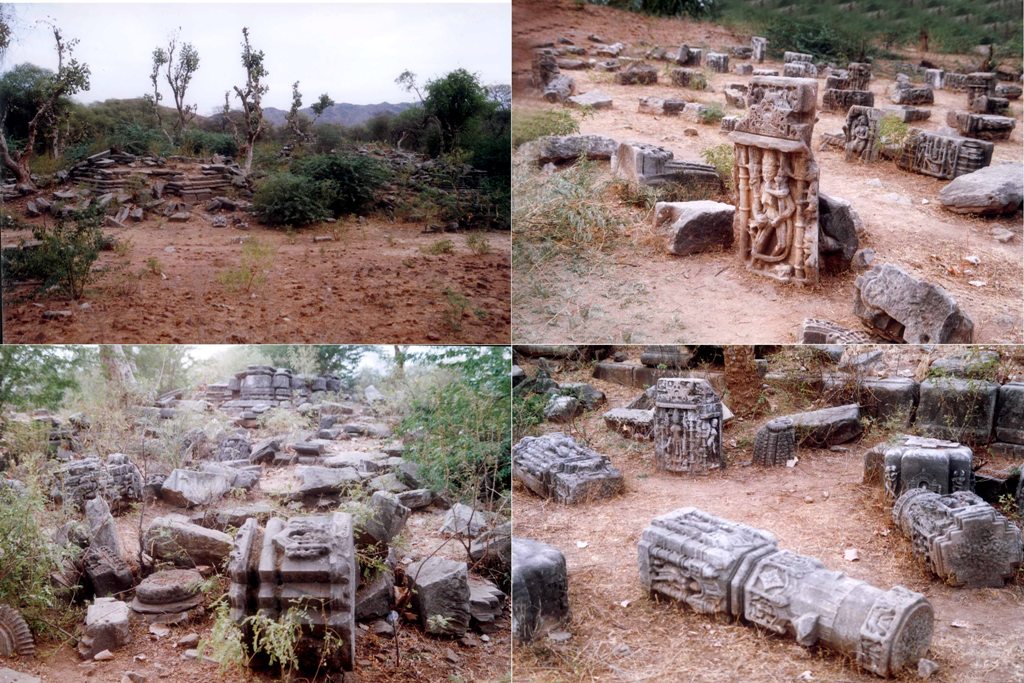
It is situated at 6 Km away from Abu Road on Abu - Ahmedabad Highway. It is destroyed city of Parmars. Its present name is Chandela. In the 10th and 11th century, the ruler of the Arbudmandal was the Parmars. Chandravati was the capital of the Parmars. It was the main centre of the nagar civilization, business and trade. Since, it was the capital of the Parmar therefore it was rich in heritage, culture and in all respect. The Parmar of Abu, king Sindhuraj was the ruler of the whole Maru Mandal. Chandravati was a great example from Architect point of view. Colonel Tod in his book 'Travel in Western India' mentioned about the past glory of the Chandravati through some pictures. Apart from these pictures there are no proof which shows the past glory of the Chandravati.. When the railway track was laid down by the British Government, a huge amount of marble was consumed in filling up the remaining holes under the track because at that time there was no curiosity and desire for the art. After systematic commencement of the rail, the large amount of marble was taken away by the marble contractors to Ahmedabad, Baroda and Surat and used to build beautiful temples.
FEATURED ARTICLE
Pavapuri Tirtha Dham
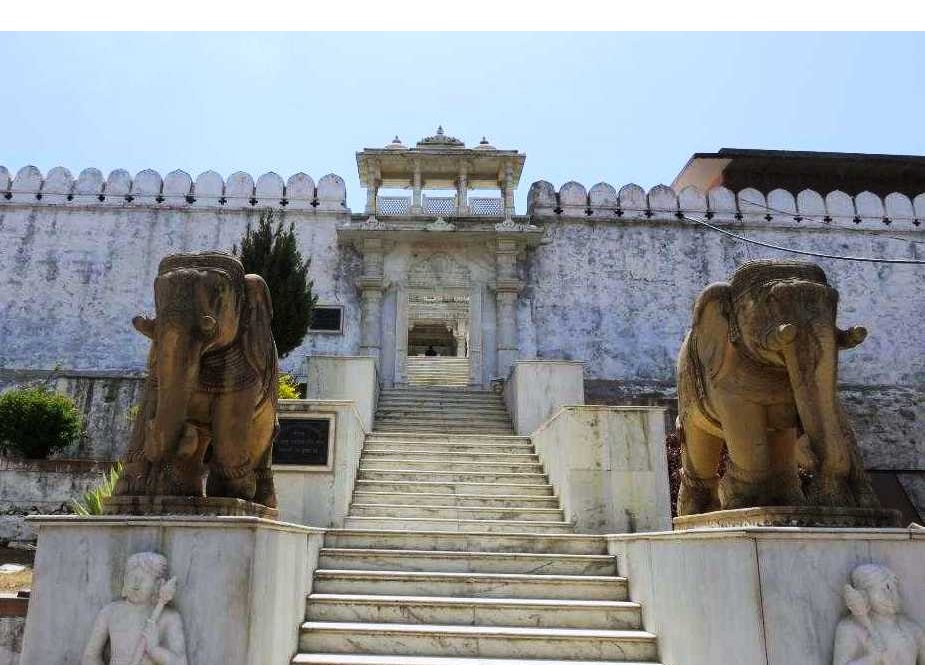
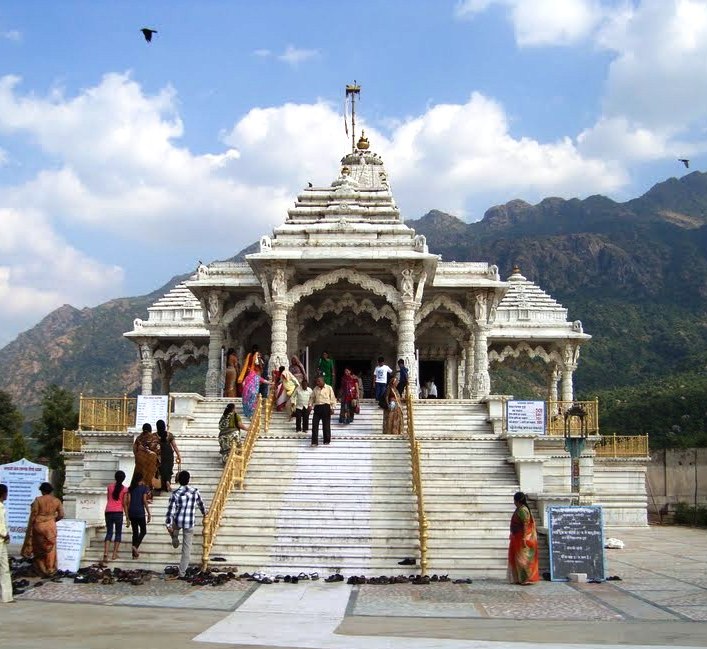
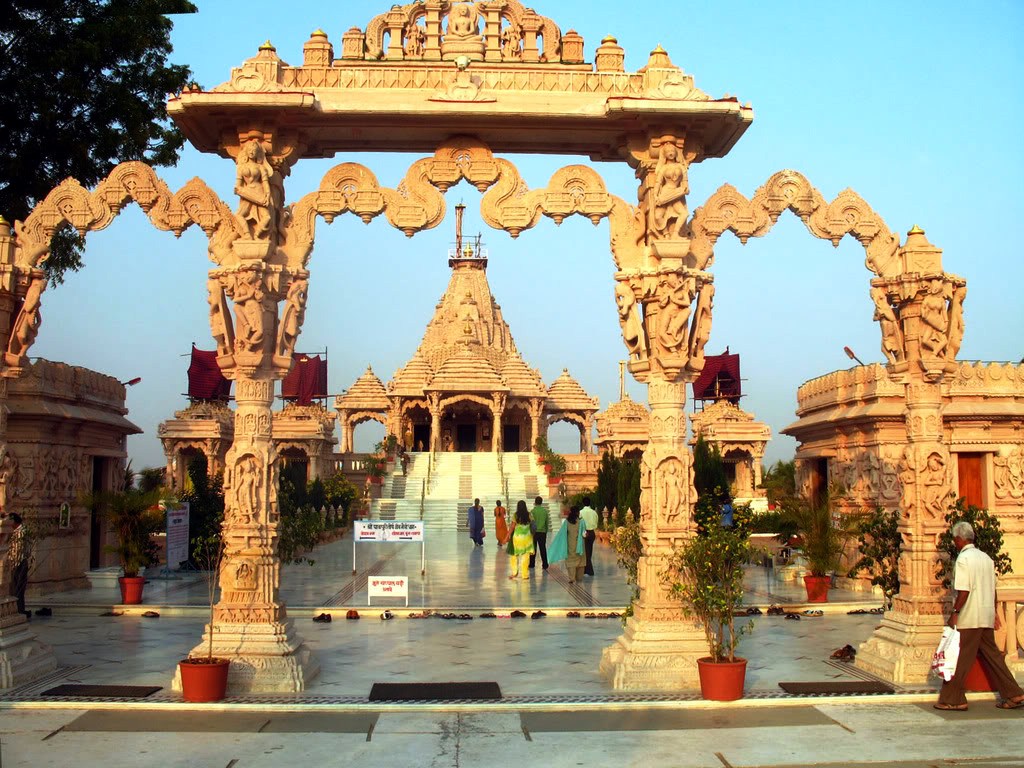
The "Pavapuri Tirtha Dham" temple is built by charitable family of Sanghavi Poonam Chand Dhanaji Bafana's family's Trust "K.P.Sanghavi Charitable Trust". The Dhaam is constructed separated in two blocks; first one is Sumati Jeevandaya Dhaam is also named Gou-Shala and second is Pavapuri Dhaam. In Pavapuri Dhaam it is categorized into a Temple. Place for devotees, Mess for devotees, Dharmshala for devotees, Garden, Lake Etc. The total constructional land of the Pavapuri Tirtha Dhaam is 150 Bhiga. Inside the temple the main idol of Shree Shankheshwar Parshvanath the 23rdlord of Jaina's is of 69 inches. The development work has been completed now. The main attraction of the Dhaam is the Temple and the Toran Gate. The green gardens are enhancing beauty of the campus. The main idol is surrounded with Asht Pratihariya (the 8 heroic presentation) and Panch Tirthi (the 5 trithankar raj) established on a pedestal (Prabhashan) carved with elephants, Yakshas and Godess. There are three 45 RCC shelter house and 54 tin shade cow shelters. Where the cattle are kept in the most hygienic conditions and fed. The arrangement of fodder and rich fodder for cows is available under the supervision of the veteran medical team and shepherds. More than 4500 cows are fed in the Gaushala. The food and the fodder provided by the trust.
FEATURED ARTICLE
Sarneshwar Temple
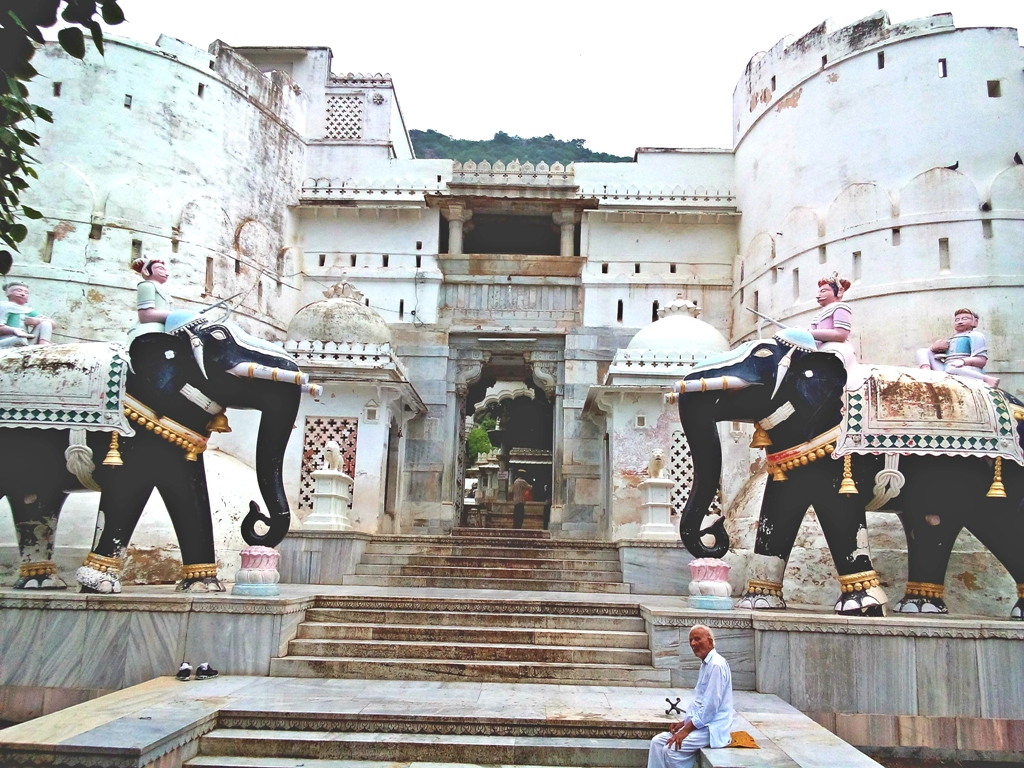
Sarneshwar temple is dedicated to Lord Shiv, situated on the western slope of Siranwa hill and is now managed by Sirohi Devasthanam. It is Kuldev of Deora Clan of Chauhans of Sirohi. The temple seems to be built in Parmar Dynasty rule because its structure and layout is similar to other temples constructed by Parmar rulers. A temple might be renovated time to time but the major renovation was carried out in 16th century. In 1526 V.S. Apurva Devi, the queen of Maharao Lakha established Hanuman Idol outside the main gate of the Sarneshwar Ji. The temple was decorated by Maharao Akheyraj in 1685 V.S. In the campus of the temple there are idols of lord Vishnu and a plate consisting of 108 Shiv Lingas. The temple is surrounded by two courtyards, one is attached to main temple and second is around the whole area, which carries Burj and Chaukis, which represents this temple as fort. Basically this temple is fort temple. Outside the main gate of the temple, there are three decorated huge elephants made of lime and bricks, painted colourful situated. There is a mandakini Kund in front of the main temple, which is used by the pilgrims for taking holy bath on kartik purnima, chetra purnima and vaisakh purnima. A famous festival of Devuthni Ekadashi, in every Bhadrapadh month of V.S. is arranged here by the followers and on second day a huge fair of rabbaries is also celebrated, in which nobody except rabbarries are allowed. The cenotaphs of the royal family are another attraction in the premises of Sarneshwar temple.
FEATURED ARTICLE
Nakki Lake
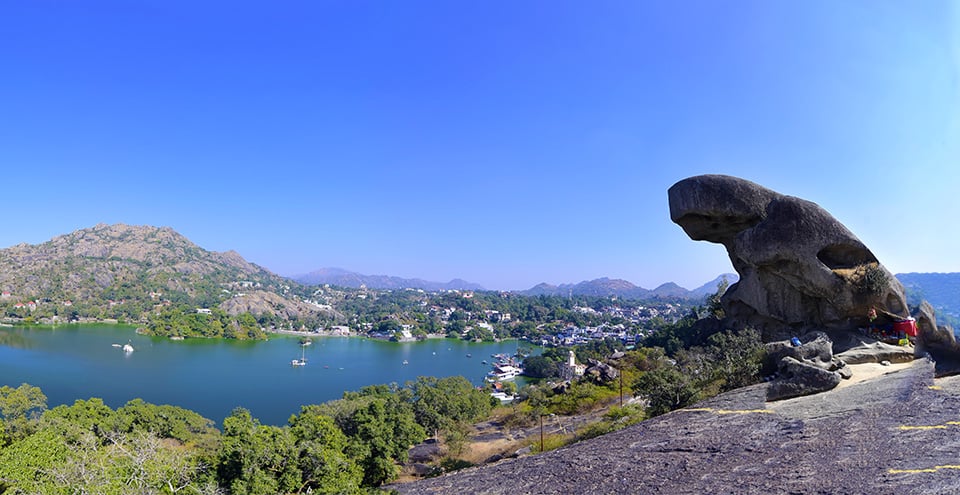
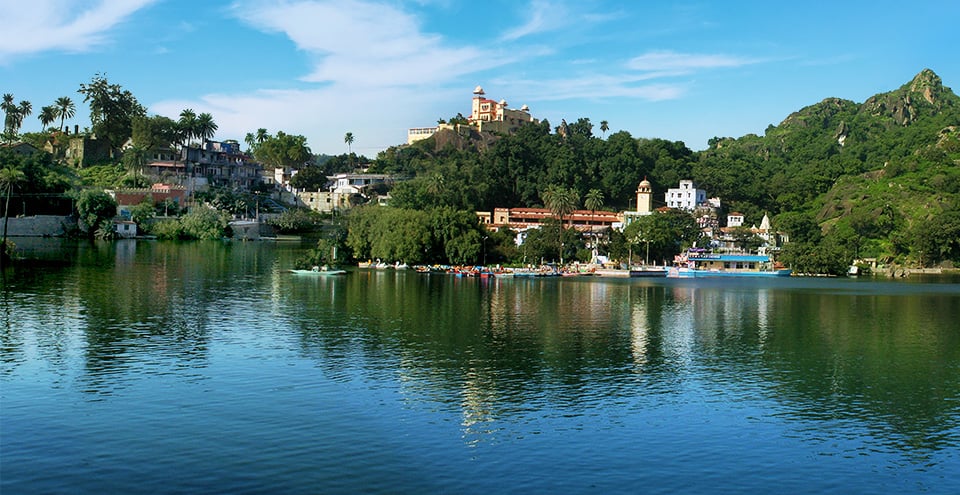
Recognized as the first ever manmade lake in India, Nakki Lake is also a preferred place to see in Mount Abu. You can choose to take a boat ride at the lake and watch the sun set past the beautiful hills surrounding this place. Nakki Lake is also popular for being the place where the ashes of Mahatma Gandhi had been immersed. Toad rock, a place for sightseeing in Mount Abu is located close to Nakki Lake.
FEATURED ARTICLE
Guru Shikhar
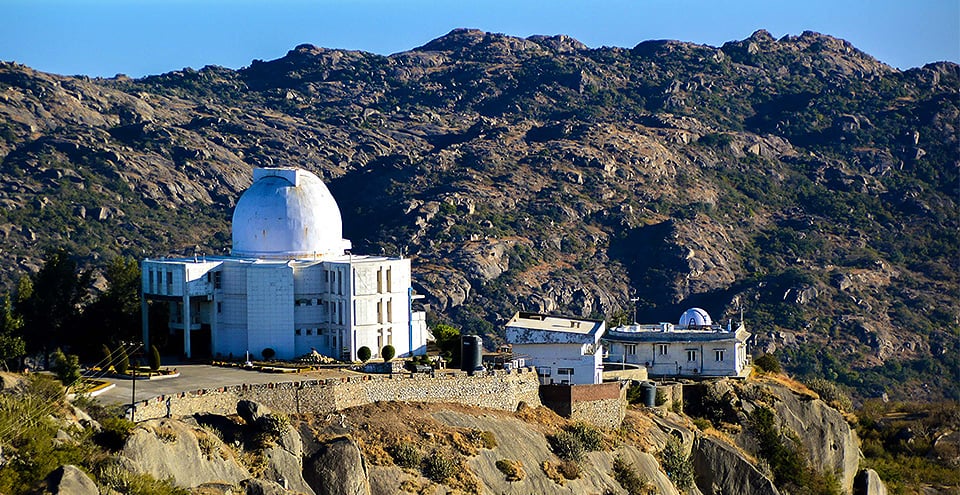
Recognized as the highest point on this mountain range, Guru Shikhar is an exquisite place for sightseeing in Mount Abu. Taking about 300 steps up to Guru Shikhar, you reach the temple of Guru Dattatreya, an incarnation of the Divine Trinity (Brahma, Vishnu and Shiva). People flock to this place both for its religious aspects and the panoramic views.
FEATURED ARTICLE
Toad Rock View Point
Known for being surrounded by a number of strangely shaped rocks, Nakki Lake offers numerous photo ops to visitors. One of the most popular destinations near Nakki Lake however, has to be the Toad Rock View Point. Located on the main trekking trail near the Lake, the Toad Rock has often been referred to as the mascot of Mount Abu. The massive rock structure is an excellent illustration of igneous rocks found in amazing shapes and is shaped, as the name suggests, like a toad. One of the most frequented places in the hill station; people visit this place out of sheer curiosity. It is pretty easy to climb the rock and the views that it offers of the Nakki Lake and the surrounding greenery are unparalleled. Apart from the novelty of the rock itself, the breathtaking scenery from atop just adds to whole experience, making it well worth your while.
FEATURED ARTICLE
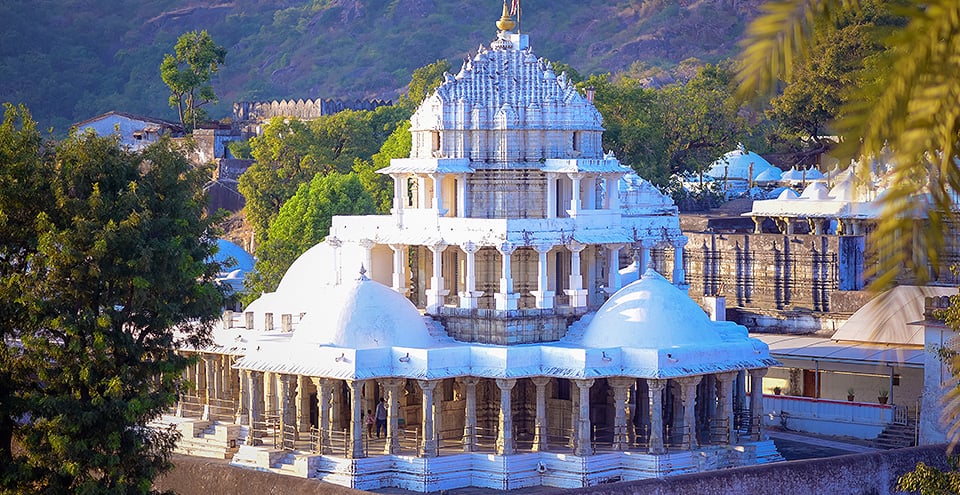
Dilwara Jain Temples
Established some time in between the 11th and 13th centuries, the Dilwara Jain temples are considered to be among the best specimens of architectural perfection in the country. A complex of five temple structures, the Dilwara Jain temples are located at a distance of about 2.5 kilometres from Mount Abu. Carved out of white marble, these temples features interiors that have intricate designs spreading everywhere from doorways to ceilings. Dilwara Jain temples are a must visit place in Mount Abu.
FEATURED ARTICLE
Mount Abu Sanctuary
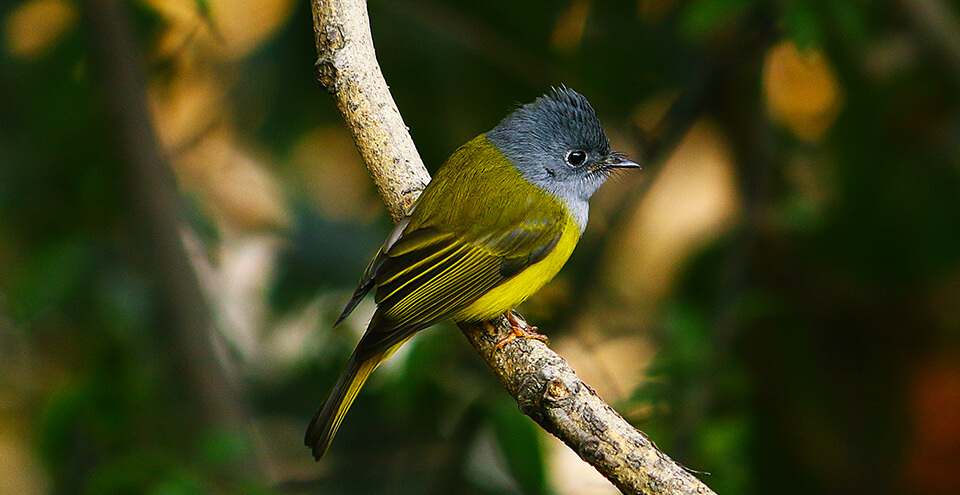
Covering 288 square kilometres of area, the Mount Abu Wildlife Sanctuary is a part of the subtropical forest in this region. Containing rich flora and fauna, this sanctuary allows you to come close to some rare and exotic species of wild animals, including the Indian fox, pangolin, grey jungle fowl, striped hyena, and also Indian leopard, the apex predator here.
FEATURED ARTICLE
Peace Park in Mount Abu
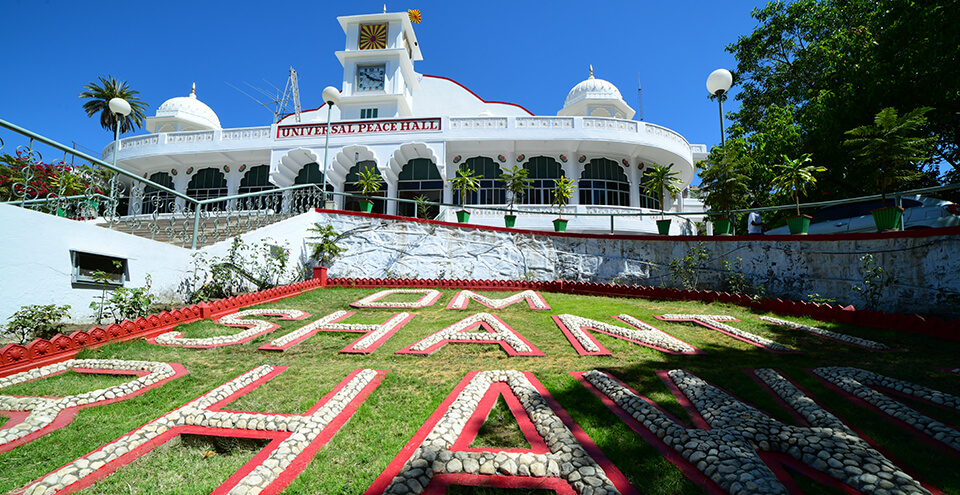
Nestled in between two famous Aravali peaks, the Guru Shikhar and Achalgarh, the Peace Park in Mount Abu is a part of the Brahma Kumaris' establishment. With an ambiance that creates the perfect blend of serenity and tranquillity, the park offers a beautiful backdrop for silence and peaceful recreation. At the Peace Park, one can visit the rock garden that houses a wide variety of Cactaceae, the orchard, citrus corner, and view the numerous floral displays that include coleus, shrubs, hibiscus, creepers and climbers, and an exquisitely beautiful rose garden. The park also has a number of areas, like a stone cave and huts, where people can meditate in a tranquil environment. The Brahma Kumaris also provide a guided tour of the park, and you can also watch a short video film that explains interesting meditation concepts. This place of solitude in the lap of nature is something you must experience.
FEATURED ARTICLE
Delwara Jain Temple
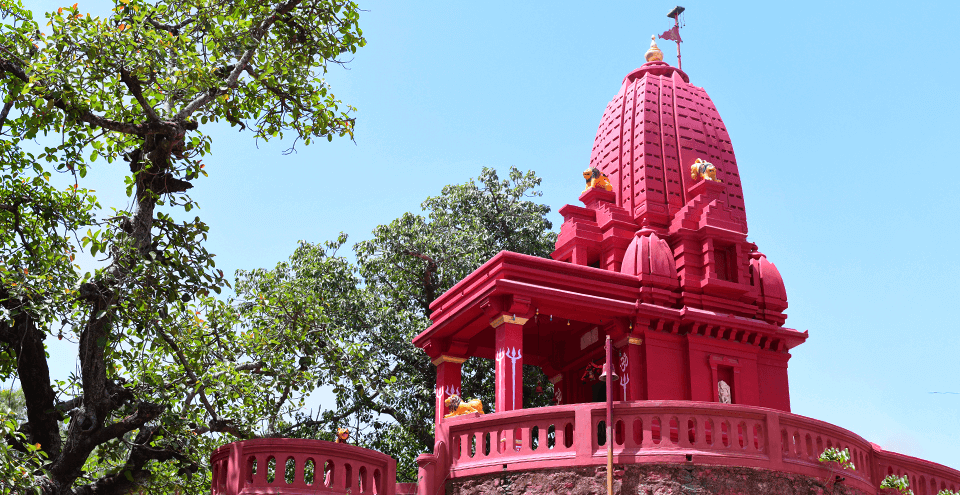
Located on Delwara Road, near the Delwara Jain Temple, is this small temple dedicated to Lord Shiva. The temple offers a very peaceful ambiance and is considered as one of the most ancient holy places located in Mount Abu. A small and beautiful temple, the Lal Mandir gets its name from the fact that all the walls of the temple have been painted red. The temple is one of the must visit spots in Mount Abu, popular among the religious tourists as well as others. The temple is also quite well-known for being a Swayambhu' Shiva Temple, so named because the idol placed inside the temple can be seen wearing a 'jenau'.
FEATURED ARTICLE
Trevor's Tank Mount Abu
Trevor's tank, a crocodile park, is a manmade crocodile breeding spot which is located at a distance of about 5 kilometres from Mount Abu. The spot offers amazing scenic beauty and a great spot for crocodile, bird, and other wildlife (like the black bear) sightings. The lush green surroundings make it quite a popular picnic spots that is always worth a visit. Trevor's Tank is a small but pristine ecosystem for crocodiles, and creates a unique blend between manmade creations and the natural environment. Being located at a hill station, Trevor's Tank can be visited all throughout the year, owing to the mild weather it enjoys all the time. However, it might be a good idea to avoid the monsoon season, as that may hinder your explorations slightly. Whether you are a shutterbug or want to watch some birds or other wildlife, Trevor's Tank is a destination to add on your Mount Abu bucket-list.