Alwar
Gateway City of Rajasthan
Alwar is one of the oldest cities in Rajasthan. Paradoxically, the city is also the most recent of the Rajput kingdoms. Its traditions can be traced back to the realms of Viratnagar that flourished here around 1500 BC. Also known as Matasya Desh, this is where the Pandavas, the mighty heroes of the Mahabharata, spent the last years of their 13-year exile.
The journey of the city of Alwar and its origins can be traced back to 1500 BC. Nestled in the lap of the green hills of the Aravalli range, it is home to beautiful palaces and forts from an era long gone. The deep valleys and thick forest cover of the hills are a haven for many species of birds such as grey partridge and white-throated kingfisher and animals, most notably, the Bengal tiger and golden jackal. It is this splendour and exquisite architecture, along with the calm lakes, royal hunting chalets, dense jungles and a socio-cultural environment unlike any other that makes Alwar a traveller’s delight.
Best Time To Visit Alwar
Peak Season (October – March): This is the most pleasant time to explore Alwar’s forts, lakes, and wildlife reserves. The weather is cool and ideal for jungle safaris in Sariska, heritage walks, and sightseeing. Expect more visitors and higher hotel rate during holidays and weekends, especially around Diwali and New Year.
Shoulder Season (April – June): Temperatures begin to rise, and afternoons can get quite hot. However, mornings are still good for sightseeing, and the city is quieter. Hotel rates are more budget-friendly, making it a good time for relaxed travel.
Off-Season (July – September): Monsoon showers bring a refreshing change to Alwar’s landscape. While outdoor activities like trekking may be limited, it’s a lovely time to enjoy lakeside views, heritage hotels, indoor attractions like museums and hotel rates are much cheaper.
Festival Calendar:
- Matsya /Alwar Festival (Late November): Held annually in November, this two-day celebration showcases Alwar’s art, culture, and tourism. Expect folk dances, music performances, hot air balloon rides, paddle boat races, and exhibitions of local crafts.
Dress code: Pack light cotton clothes for summer, an umbrella or raincoat during the monsoon, and light woollens for cool winter evenings. Modest clothing is recommended when visiting religious sites.
Quick Facts & Information About Alwar
Population
480,000
Best time to Visit
October to March
Famous For
Sariska Tiger reserve, Bala Quila, and Bhangarh Fort.
Top Tourist Places to Visit in Alwar
01 Bala Quila:
Also known as Alwar Fort, situated atop the Aravalli hill, Bala Quila is a majestic 15th century fort which offers panoramic view of Alwar city. With its tall gates, massive ramparts, and Mughal – Rajput architecture, this fort is a haven for history enthusiasts and photographers alike. The drive up is truly scenic, and the fort’s quiet grandeur makes it a peaceful escape.
02 Sariska Tiger Reserve :
A must visit for wildlife lovers, Sariska is home to Bengal tigers, leopards, and rare species of birds. Jeep safaris through the dry deciduous forest offer thrilling glimpse of nature and wildlife. This reserve also houses ancient temples and ruins of Kankwari fort.
03 City Palace & Museum :
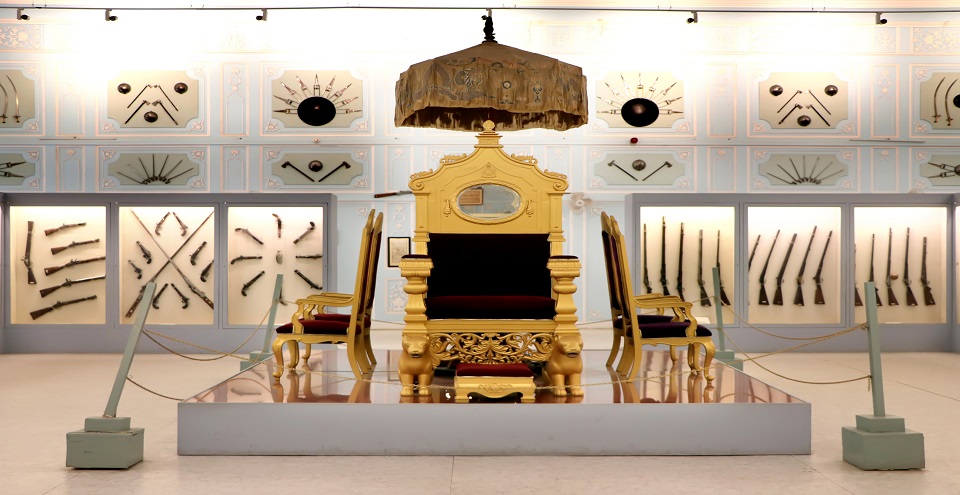
Nestled in the heart of Alwar, this 18th-century palace blends Mughal and Rajput styles. Its marble pavilions, painted ceilings, and grand courtyards signify regal charm. The museum inside is located on the top floor, it showcases rare manuscripts, armory, and miniature paintings.
04 Moosi Maharani Ki Chhatri :
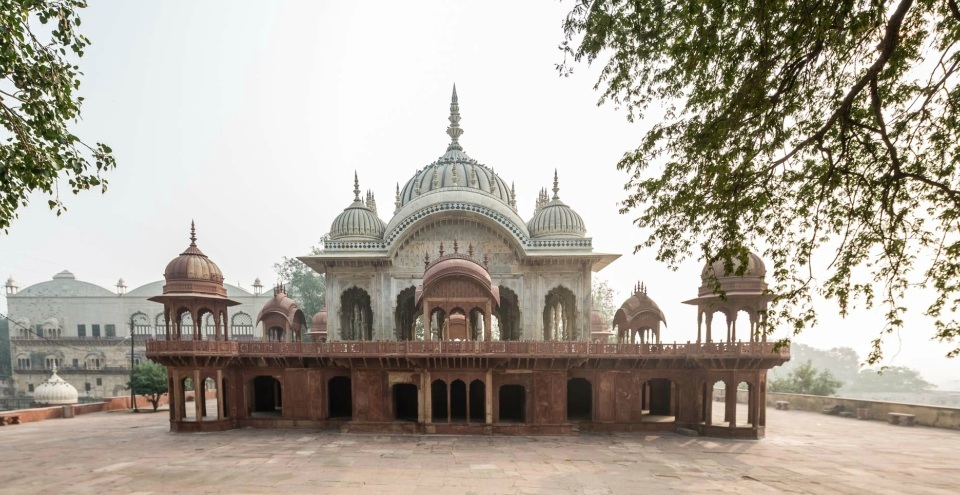
A beautiful cenotaph built in memory of Maharaja Bakhtawar Singh and his queen, Moosi Maharani. This two-story monument beautifully blends red sandstone and white marble, showcasing the elegance of Rajput architecture. The upper tower features intricately carved arches, floral motifs, and frescoes that depict mythological scenes and royal life.
05 Siliserh Lake & Palace :
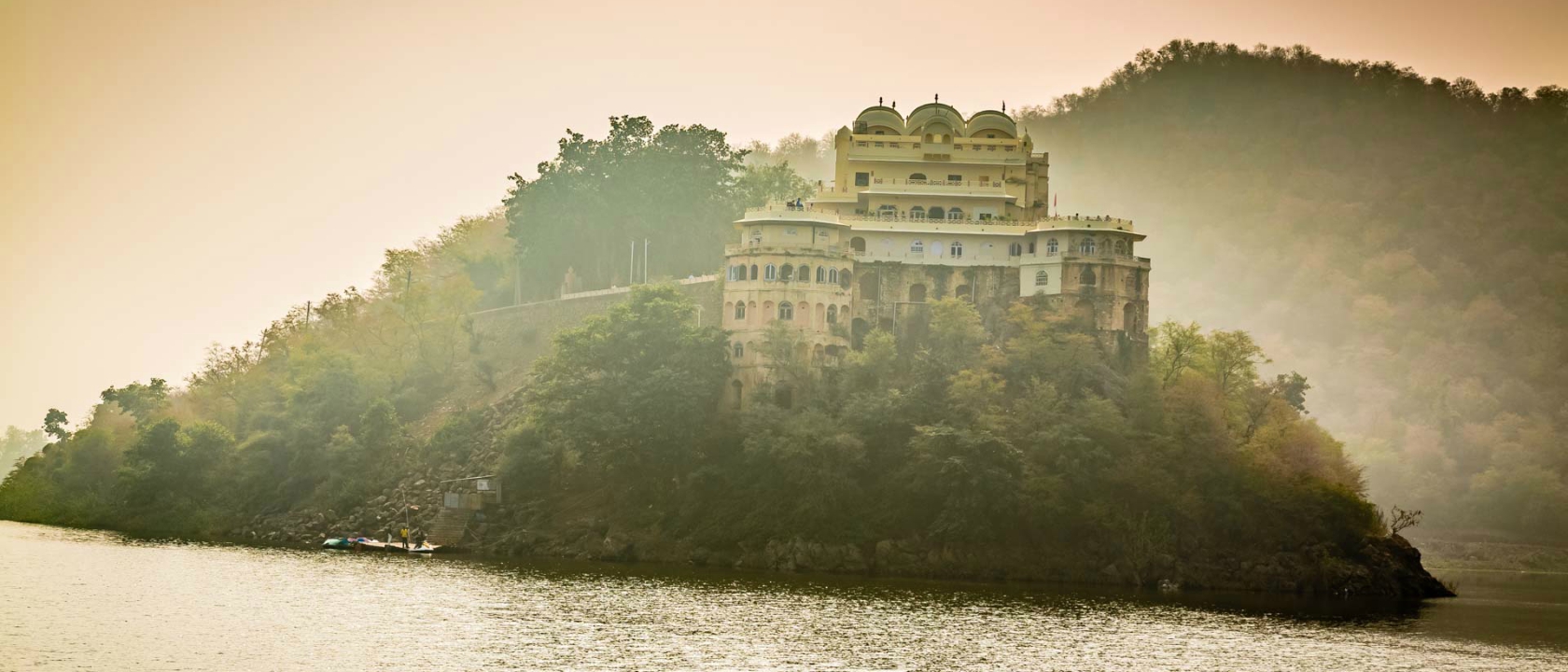
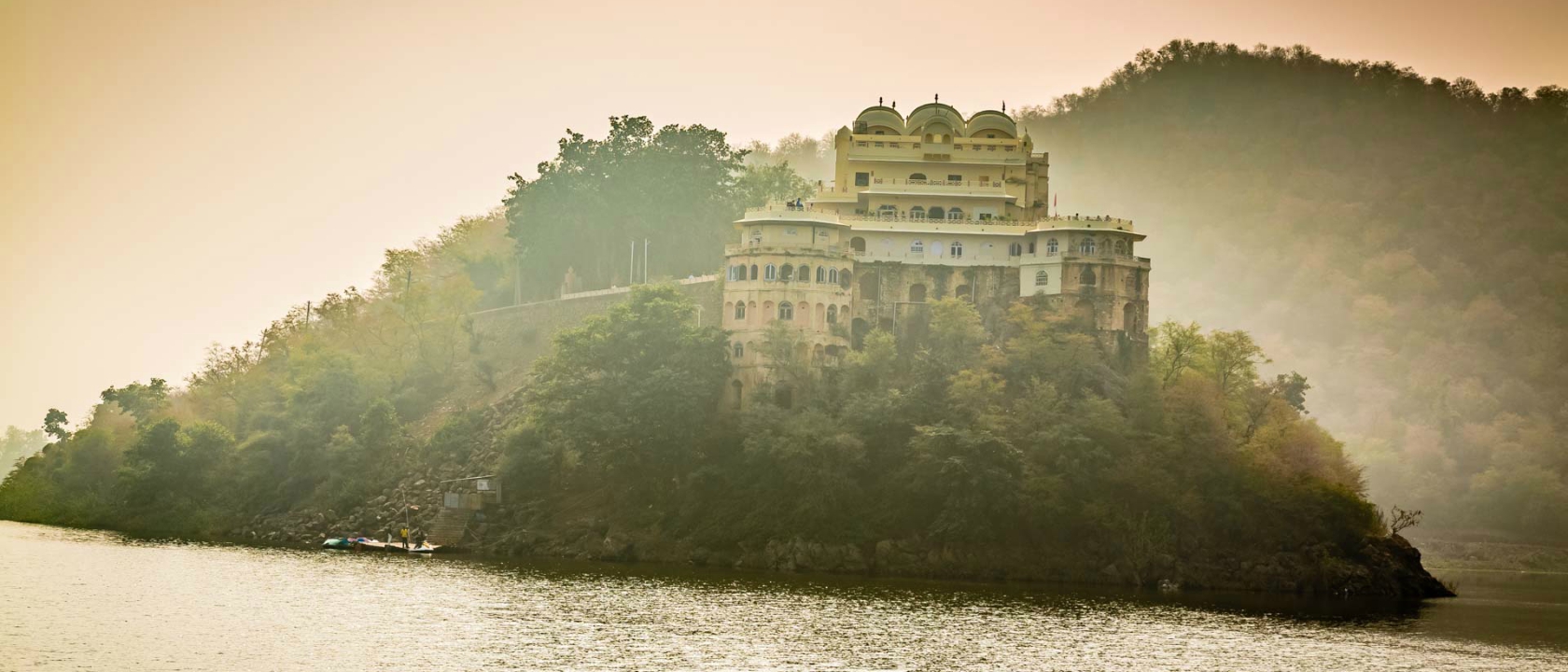
Originally built as a royal hunting lodge, Siliserh Palace now serves as a heritage hotel overlooking a serene lake. Visitors can enjoy boating, picnics, and stunning sunset views. It’s a romantic retreat for couples and families who enjoys a quiet getaway. These top places in Alwar offer a rich insight of nature, history, and royal charm. Whether you're chasing tiger trails, admiring palace art, or unwinding by a lake—Alwar invites you to explore Rajasthan’s quieter, regal side with warmth and wonder.
Top Things to Do in Alwar
→ Alwar is more than just a collection of forts and palaces — it’s a place where n…
Alwar is more than just a collection of forts and palaces — it’s a place where nature, history, and quiet charm come together. Here are the must-do activities and Alwar’s Travel Tips to enhance your trip:
→ Experience: Embark on a thrilling jeep safari through Sariska’s rugged terrain, where you might spot Bengal tigers, leopards, deer, and peacocks in their natural habitat. The reserve also features ancient temples and the haunting ruins of Kankwari Fo
Famous For: Tiger sightings, biodiversity, and jungle trails. Best Time: October – May.Cost: Rs 125 – Rs 200 (Safari charges extra)
→ Experience: Step into Alwar’s layered past with a guided heritage walk that weaves through its historic heart. Begin at the grand City Palace, where Mughal and Rajput styles blend seamlessly. Continue to Moosi Maharani Ki Chhatri, a beautifully carve
Famous For: Mughal-Rajput architecture, cultural storytelling, historic neighbourhoodsBest Time: October – March.Cost: Rs 2500 – Rs 4000 (depending on group size)
→ Experience: Rent a paddle boat or shikara and glide across the tranquil waters of Siliserh Lake, surrounded by forested hills and the majestic Siliserh Palace. It’s a perfect spot for couples, families, and photographers seeking golden hour reflectio
Famous For: Lakeside views, boating, and romantic retreats. Best Time: November – February. Cost: Rs 100 – Rs 300 per ride (varies by boat type)
→ Experience: Located just outside Alwar, Neemrana Fort Palace is a 15th-century fortress that has been thoughtfully restored into a luxury heritage hotel. This historical fort stretches across a hillside in dramatic layers, offering wide views and a u
Famous For: Restored fort architecture, heritage hospitality, zip-lining, scenic ambianceBest Time: Year-round Cost: Varies by season.
→ The provided activities makes Alwar tours and packages absolutely enriching, offering every visitor a chance to connect with the region’s royal legacy, explore its natural beauty, and immerse themselves in the quiet elegance of Rajasthan’s cultural h
How To Reach Alwar?
By Air : The nearest airport is Jaipur International Airport, located around 150 km away from Alwar. From Jaipur, travellers can hire taxis, book private cabs, or take buses to reach Alwar comfortably in around 3 to 3.5 hours. Delhi’s Indira Gandhi International Airport is another option, around 160 km away, with similar travel times by road.
By Rail : Alwar Junction is a well-connected railway station on the Delhi–Jaipur route. Regular trains link Alwar to major cities like Delhi, Jaipur, Agra, and Mumbai. The station is centrally located, with easy access to auto-rickshaws, taxis, and local buses.
By Road : Alwar is well-connected by highways to Delhi, Jaipur, and Agra, making road travel easy and scenic. You can get there by bus, taxi, and private transport. The drive through the Aravalli hills adds a pleasant touch to the journey.
Things To Know Before Visiting Alwar
- Start early for outdoor activities like Sariska safaris or fort visits — mornings offer cooler weather and better wildlife sightings.
- Book accommodations and safaris in advance during peak season (October–March), as Sariska and heritage hotels can fill up quickly.
- Dress comfortably for heritage walks, fort visits, and market strolls. Lightweight clothing and sturdy footwear are ideal for exploring on foot.
- Carry some cash for small purchases, local markets, or transport, though ATMs are available in main areas.
- Download offline maps or guides — mobile signals can be patchy in forested or hilly areas like Bala Quila and Sariska.
- Keep sunscreen, hats, and carry a reusable water bottle, especially during warmer months.
Frequently Asked Questions
What is the best time to visit Alwar?
October to March is ideal — the weather’s cool, perfect for safaris, sightseeing, and fort visits. Summer (April–June) gets hot, while the monsoon (July–September) brings greenery and fewer crowds, great for peaceful retreats and budget travellers.
How many days are needed to explore Alwar properly?
You will need about 2–3 days to see the main sights like Sariska, Bala Quila, and Siliserh Lake. Add a day or two if you want to explore Neemrana Fort or take things slow.
Is Chikkaballapur safe for tourists?
Yes, Alwar is indeed safe. Locals are friendly, and the city sees regular visitors. You just have to keep your belongings secure and avoid isolated areas after dark.
Is Alwar safe for solo travelers/female travelers?
Definitely. Alwar is welcoming to solo and female travellers, especially during the day and in busy areas. Choose reputed stays, avoid late-night outings alone, and consider guided tours for added comfort.
What should I pack for a trip to Alwar?
Bring light cotton clothes for warm days, a scarf or shawl for temple visits, and a light jacket for winter evenings. Comfortable shoes, sunscreen, and a refillable water bottle are must-haves.
Which area is best to stay in Alwar?
Stay near City Palace or Sariska Road for easy access to attractions. For quieter vibes, look at hotels near Siliserh Lake or heritage stays on the outskirts. Resorts and eco-lodges around close to Sariska offer early access to safaris, quieter surroundings, and a deeper connection to nature.
Do I need a rental car or is public transport sufficient in Alwar?
Local transport like autos and taxis works fine for short trips. But if you’re heading to Sariska, a private transport service is recommended.
How far is Alwar airport from the city centre?
Alwar doesn’t have its own airport. The nearest is Jaipur International Airport is about 150 km away. The drive takes around 3 to 3.5 hours by taxi or cab. Airport transfers are widely available and many hotels offer pickup services on request.
What types of accommodation are available in Alwar?
Alwar offers a variety of stays to suit every kind of traveller — from budget lodges and mid-range hotels to heritage properties tucked into royal estates. For easy access to city attractions, stay near the City Palace. If you're here for wildlife, choose eco-resorts or forest lodges near Sariska Tiger Reserve for early safari access and serene surroundings.
How far in advance should I book hotels in Alwar?
During peak season (October–March), especially around holiday season, it’s best to book 5–6 months in advance. Off-season stays are easier to find and often come with discounts.
What is the local cuisine of Alwar?
Don’t miss Alwar ka Mawa, spicy kachoris, dal bati churma, and local curries. Street food near Hope Circus is a must try.
Are ATMs and card payments easily available in Alwar?
ATMs are widely available, and most hotels, restaurants, and shops accept debit and credit cards. Yet, it’s wise to carry some cash for small purchases, local transport, and street vendors.
Explore the place
The City Maps
Trip Ideas
FEATURED ARTICLE
Bala Qila
The Bala Qila (young fort) was built on the foundations of a 10th century mud fort and is a towering structure set atop a hill. Strong fortifications, graceful marble columns and delicate latticed balconies make up the fort. Bala Qila can be entered through six gates, namely Jai Pol, Suraj Pol, Laxman Pol, Chand Pol, Krishan Pol and Andheri Gate. It is presently accessible by road through Pratap Bandh forest entry leading to Jaipol. Bala quila buffer forest safari is available to the visitors. Fort entry timing 8 am to 3.30 pm. Safari timing: 6 am to 4.30 pm. (Wednesday closed), Entry for Bala Kila is temporary closed for the tourist.
FEATURED ARTICLE
Alwar City Palace
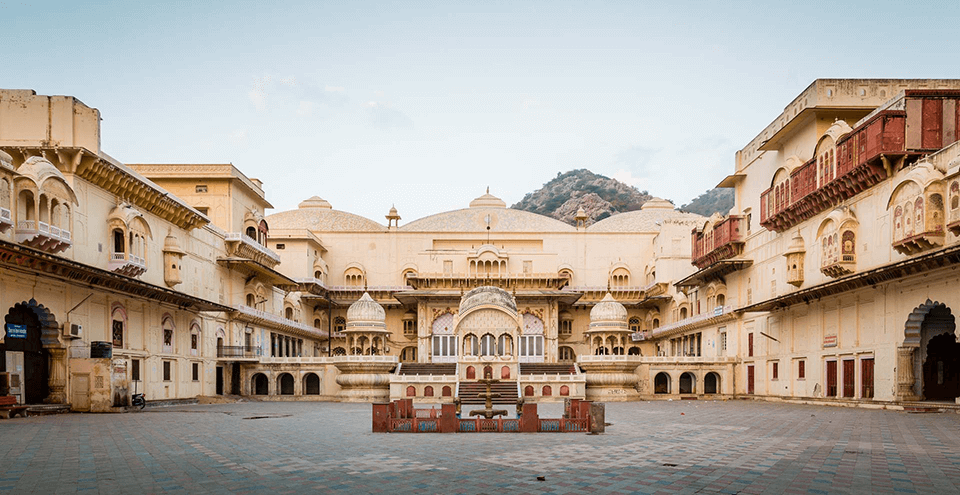
Built in 1793 AD by Raja Bakhtawar Singh, the City Palace is an amazing mélange of the Rajputana and Islamic styles of architecture. The highlight of this palace are graceful marble pavilions set on lotus flower bases in the central courtyard. The palace that once belonged to the Maharaja has been converted into the District Collectorate. Its grand halls and chambers now house government offices.
FEATURED ARTICLE
Government Museum
The Government Museum is a must-visit for anyone with an interest in the opulent life and lifestyle led by the Maharajas of Alwar. Rare manuscripts, including one depicting Emperor Babur’s life, Ragamala paintings and miniatures and extensive display of armory are exhibited in three large halls. Ticket window timing: 9.45 am to 4.45 pm
FEATURED ARTICLE
Moosi Maharani Ki Chhatri
This cenotaph, built in the memory of Maharaja Bakhtawar Singh and his queen, Rani Moosi, reflects the Indo-Islamic style of architecture. The upper portion comprising columned pavilions and domed arches is made of marble while the lower section consists of pillars in red sandstone. Mythological and court scene painting and sculptures adorn the ceiling. An artificial lake Sagar is situated nearby, it has distinct pattern of stairs and towers in perfect symmetry.
FEATURED ARTICLE
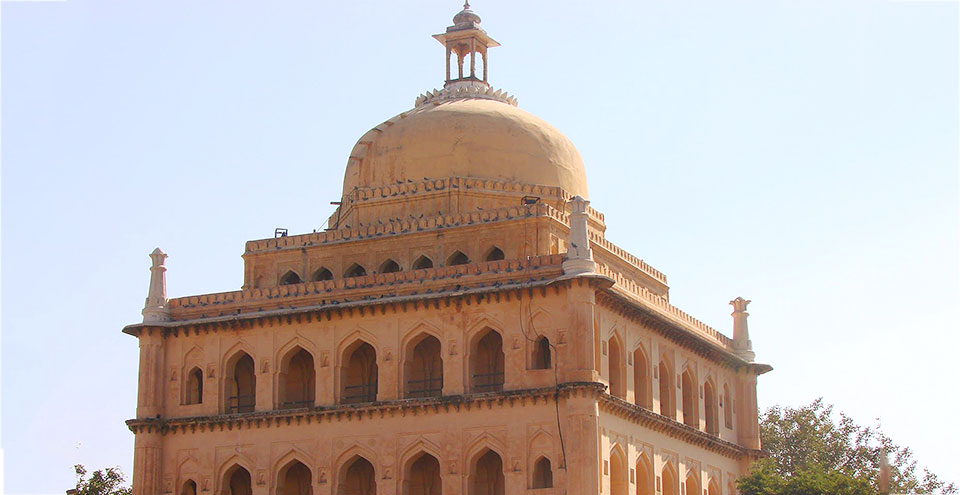
Fateh Jung Gumbad
This spectacular tomb, which is a combination of domes and minarets is an artistic marvel. Constructed on a perfect square platform, its massive dome can be seen from afar and is an example of mediaeval architecture. It is dedicated to Fateh Jung who was a kind-hearted minister of the Mughal Emperor, Shah Jahan.
FEATURED ARTICLE
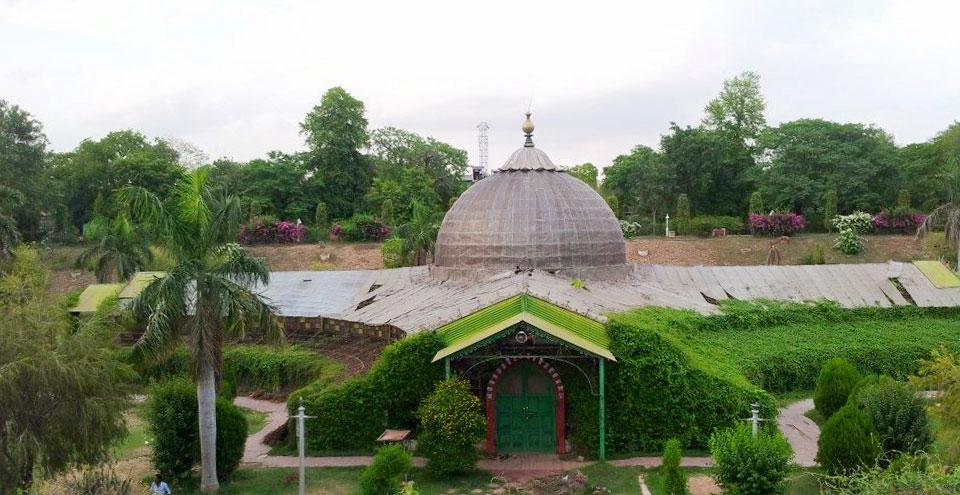
Purjan Vihar
One has Maharaja Sheodan Singh to thank for this attractive garden that was conceptualised and constructed in 1868. A picturesque place, locally known as Simla (the Summer House) was added to this garden to provide respite from the blazing sun.
FEATURED ARTICLE
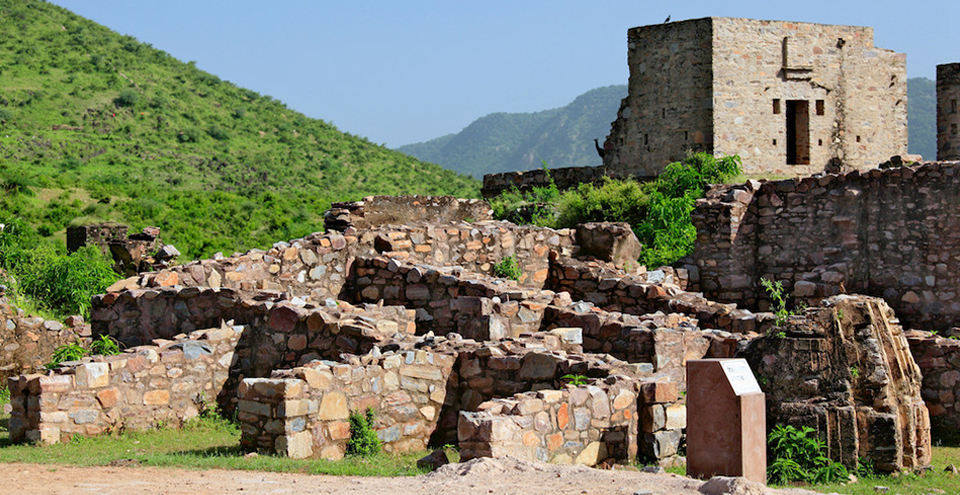
Bhangarh
Fifty kilometres from Sariska Sanctuary is the splendid town of Bhangarh which was built in the 17th century by Raja Madho Singh. The most popular legend states that the town was cursed by an evil magician and was subsequently abandoned. The evil effect of the curse is believed to be working even to this day. In fact, Bhangarh holds the distinction of being one of the most haunted places in India.Entry timing: Sunrise to sunset.
FEATURED ARTICLE
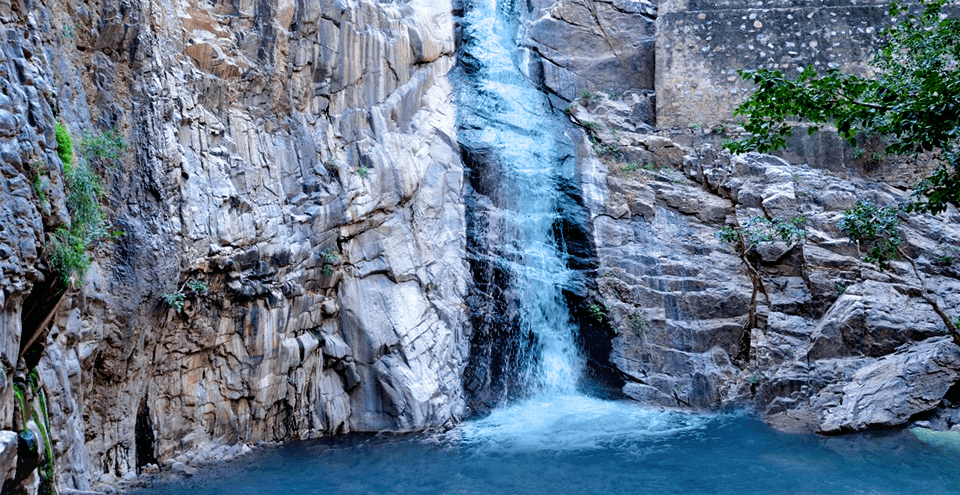
Garbhaji Water Falls
Garbhaji Falls is a popular destination for foreign and local tourists. The breathtaking sight of the water cascading off the rocks is the best feature of the place. Ideal for photographers and nature lovers, it is also popular with people who love to explore a city beyond its man-made structures.
FEATURED ARTICLE
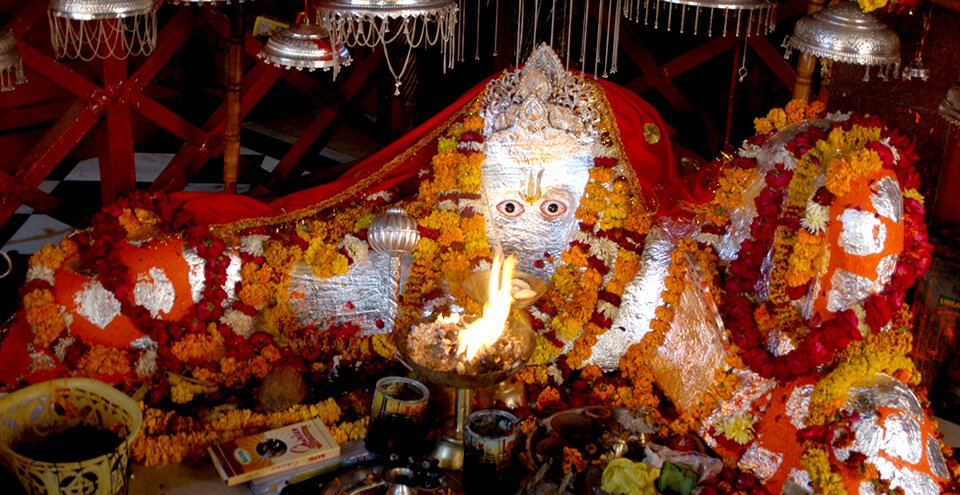
Pandu Pol
A trail through the Sariska Sanctuary gate leads to this temple dedicated to Lord Hanuman. At the Pandu Pol or Pandu gate, gushes a spring that appears to magically cascade down from the hard and compact rocks. Legend has it that the Pandava brothers took refuge here during their exile. Entry is only allowed on Tuesday, Saturday & full moon day of the month.
FEATURED ARTICLE
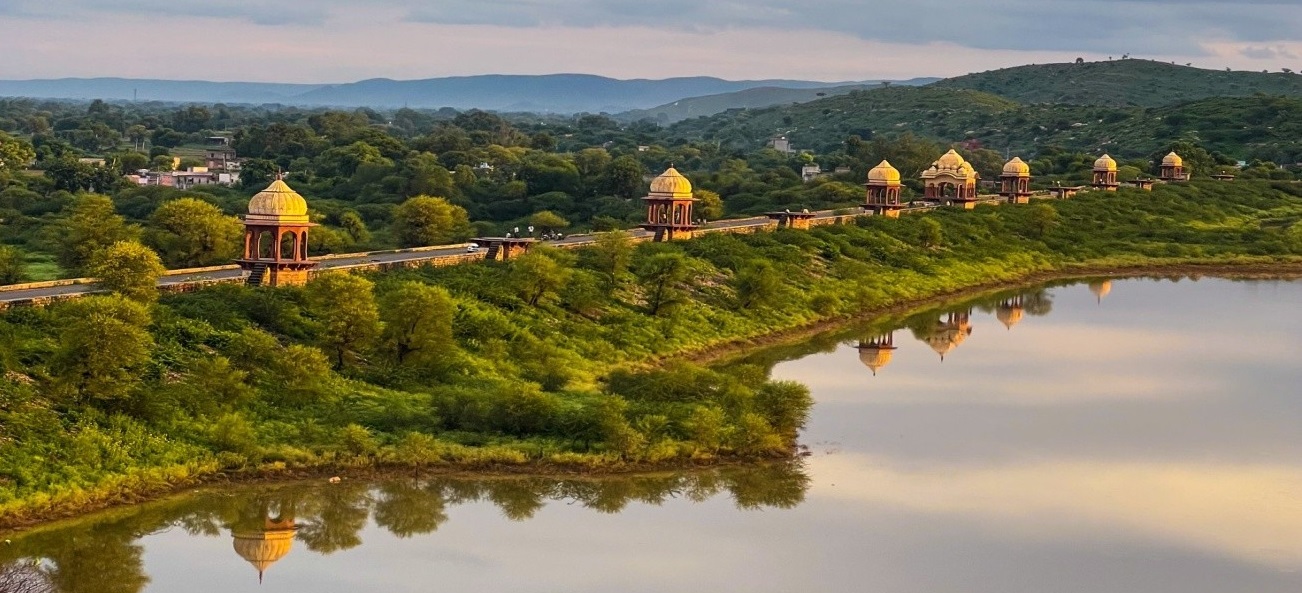
Jaisamand
This artificial dam was constructed in 1910 by Maharaja Jai Singh. The banks of water body houses shaded pavilions and lovely towers. It is an excellent excursion spot, especially when the entire landscape turns lush green during the monsoon.(Photo courtesy: Resh Pooran).
FEATURED ARTICLE
Silisergh Lake
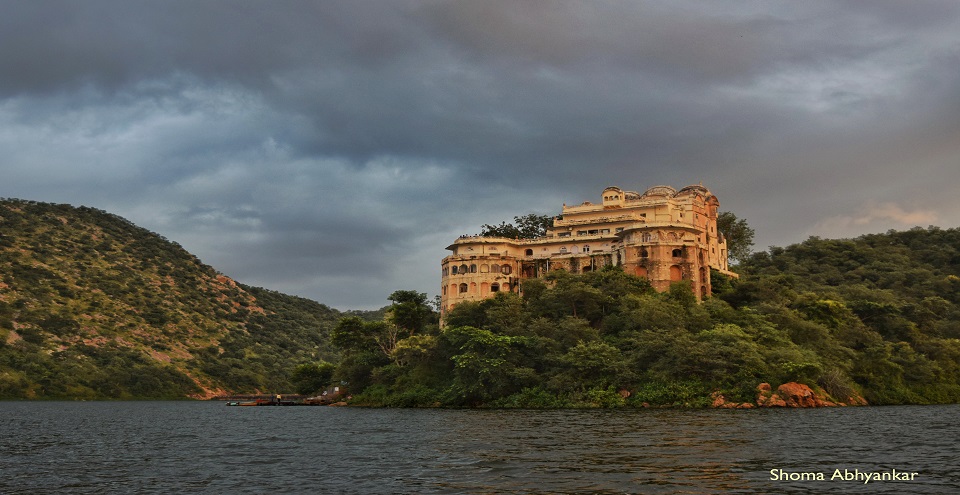
Located 15 kilometres to the southwest of Alwar, this tranquil lake is nestled amidst forested hills and wooded hills. In 1845, Maharaja Vinay Singh constructed a hunting palace here for his Queen, Shila. It has been converted into RTDC hotel. Visitors can enjoy boating in the lake. Winter water birds and sun bathing crocodiles is a visual retreat during winter season at Siliserh.
FEATURED ARTICLE
Sariska Tiger Reserve
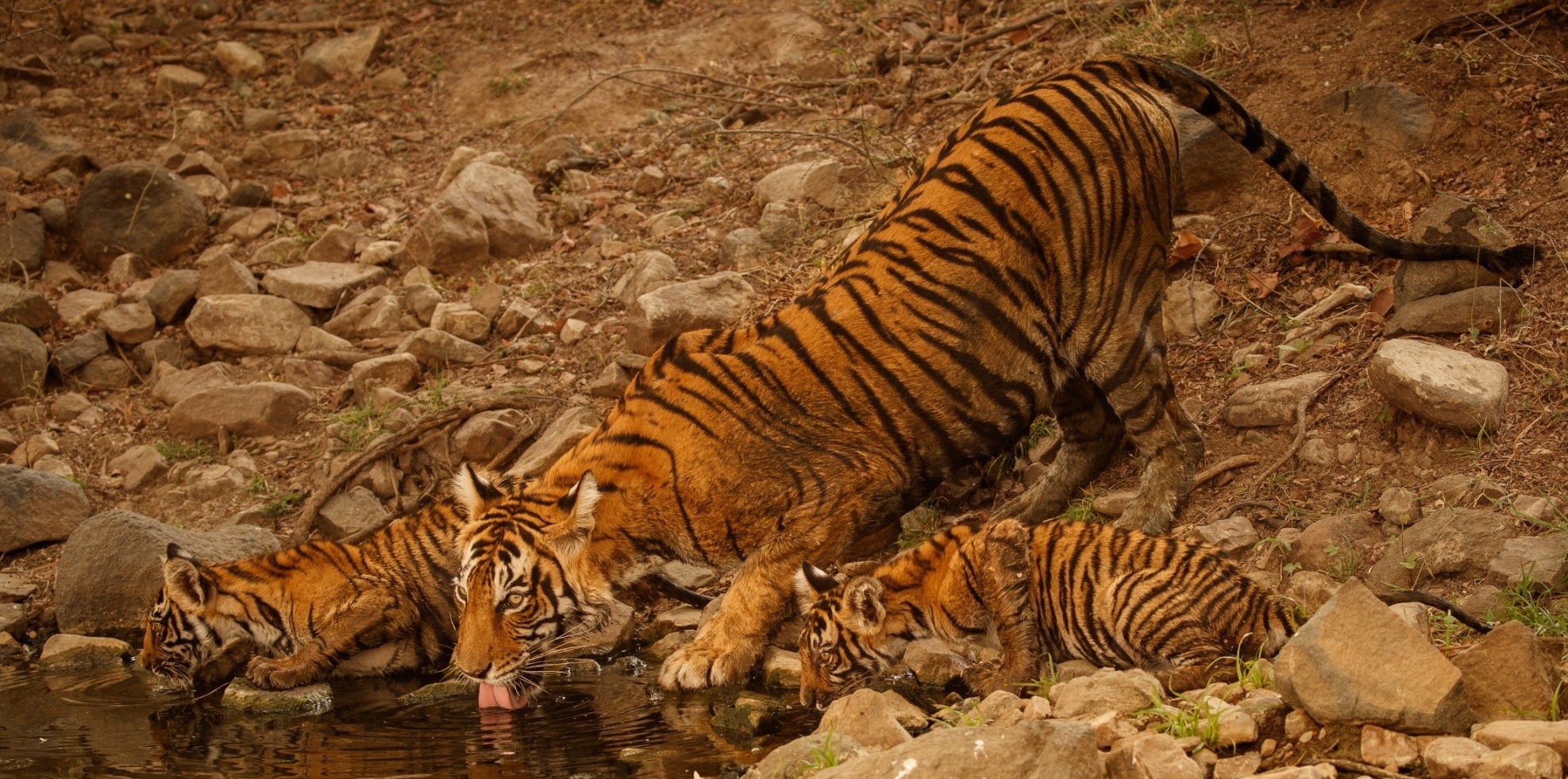
Sariska Tiger Reserve, the first tiger reserve in the world to have successfully relocated tigers, is just 200 kilometres from Delhi and 107 kilometres from Jaipur. It was declared a sanctuary in 1955 and became a National Park in 1979.Entry to the forest is closed on Wednesdays.
FEATURED ARTICLE
Tijara Jain Temple
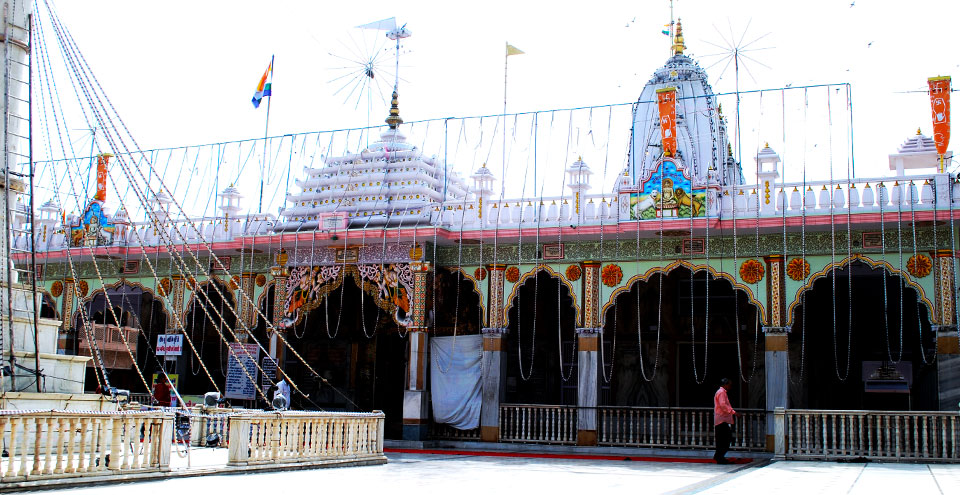
About 60 kilometres from the Alwar-Delhi route lies this important centre of Jain pilgrimage. The exquisitely decorated ancient temple was built to commemorate the eighth Tirthankar, Shri Chandra Prabha Bhagwan. The son of King Mahasen and Queen Sulakshana, he ruled his kingdom for several years before receiving Diksha and being initiated. After serving mankind for several years, he meditated for a month and attained Nirvana.
FEATURED ARTICLE
Moti Doongri
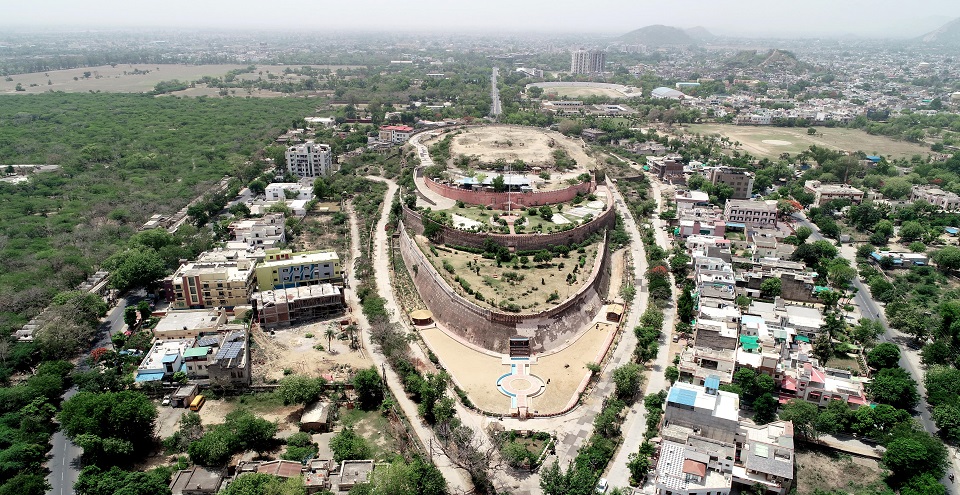
Moti Doongri was originally built in the year 1882. Till the year 1928, it was the main residence of the royal family of Alwar. After 1928, Maharaja Jai Singh decided to demolish the old palace and later built a more magnificent one in its place. Presently it has beautiful garden and view points for the city.
FEATURED ARTICLE
Talvrakash
The Sariska-Alwar road leads to this enchanting site where pilgrims bathe in hot sulphur springs. Tinkling scattered temple bells and strolling langurs lend it a unique ambience. It is famous as the place where Mandav Rishi sought penance.
FEATURED ARTICLE
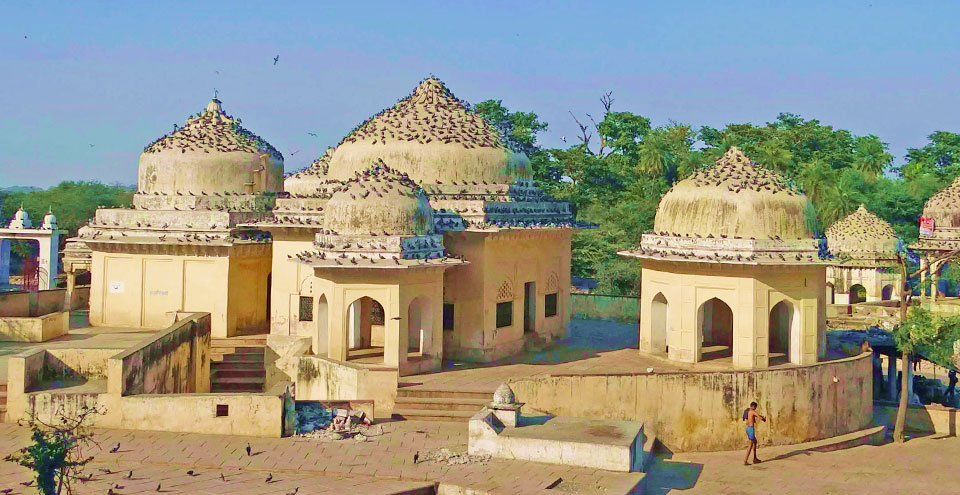
Bhartrihari Temple
Bhartrihari Temple is a vibrant pilgrimage centre attracting people from across the country. It revolves around the legend of King Bhartrihari who is said to have spent the last years of his life in this ancient place amidst the hills.
FEATURED ARTICLE
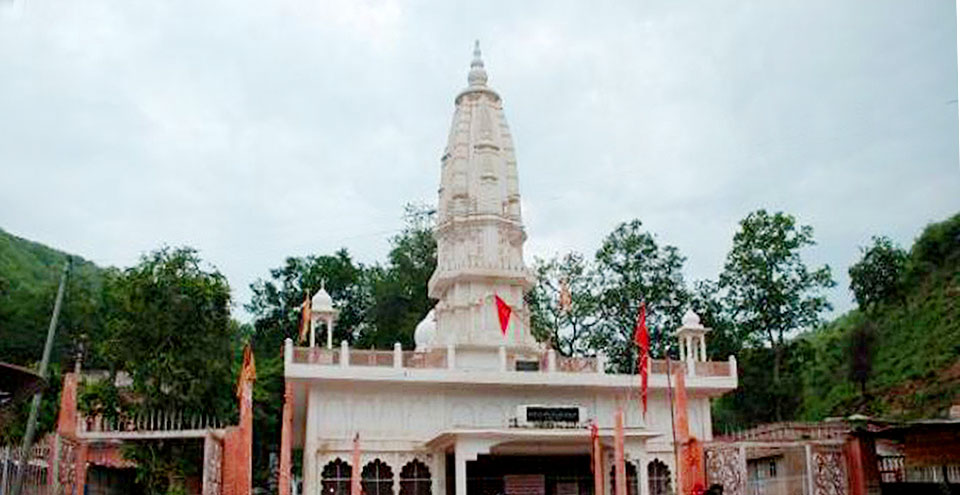
Nayaini Mata
Located 80 kilometres southwest of Alwar, this picturesque spot houses hot springs and is also known for a temple dedicated to Naraini Mata. The yearly fair held here on the occasion of Baisakh Sudi is attended by people of all walks of society.
FEATURED ARTICLE
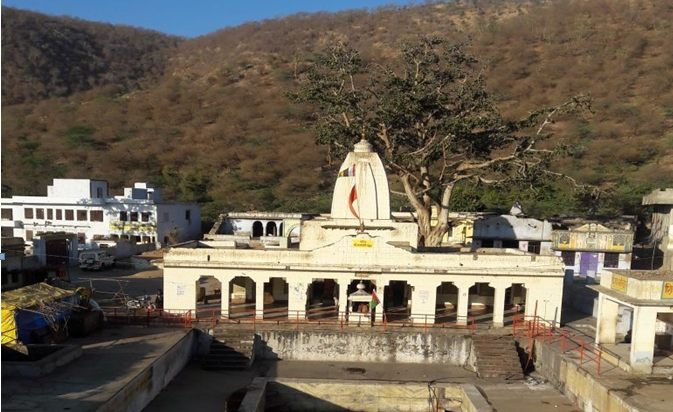
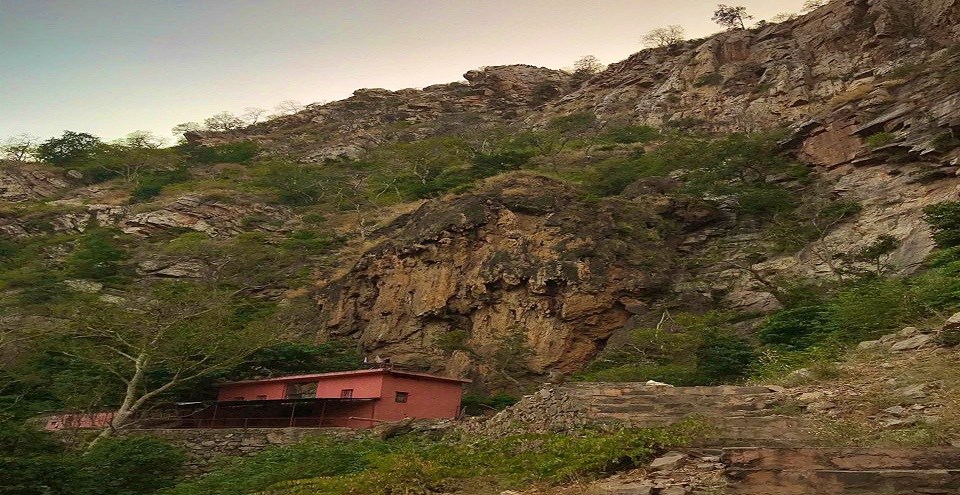
Neelkanth
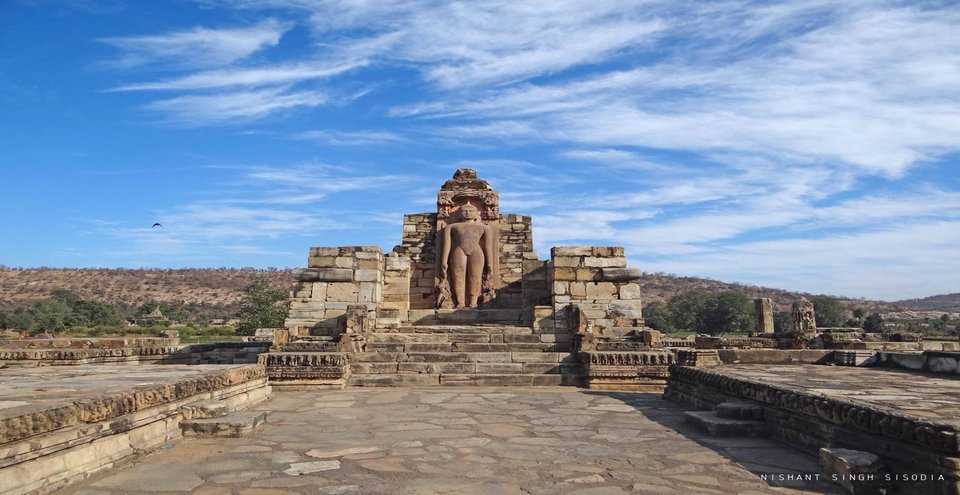
Located deep inside the Sariska Tiger Reserve and in the middle of the rugged Aravalli range, Neelkanth literally needs to be found. The way to the temple has rough roads, steep turns and minimal signs of human existence, and all that adds to the mystique surrounding it. A stunning example of the century old, northern architecture and Khajurao-like carvings, the temple will leave you speechless and surprised by its unexpected offerings. It is actually a cluster of temples and open worship places, a good 30 Kilometers into a buffer zone of the tiger reserve, which is exemplified by intricate stone carvings and burgeoning views of the lush forest across the temple landscape. There’s more to the venue than the main Shiv temple. There are two smaller structures behind the temple and when walking up to them, you might bump into some pretty birds, especially peacocks. Interestingly, just about 100 meters from the temple stands an oversized, monolithic stone statue of the Jain Tirthankar Shantinath; to discover it, you will need a little guidance from the locals. Pic credit - Nishant Singh Sisodia
FEATURED ARTICLE
Naldeshwar
Located 24 kilometres south of Alwar, this shrine is situated amidst rocky hills. The old Shiva temple has two natural ponds which receive water from the surrounding hills. Picturesque and peaceful, this place is especially worth visiting during monsoon.
FEATURED ARTICLE
Neemrana Baori
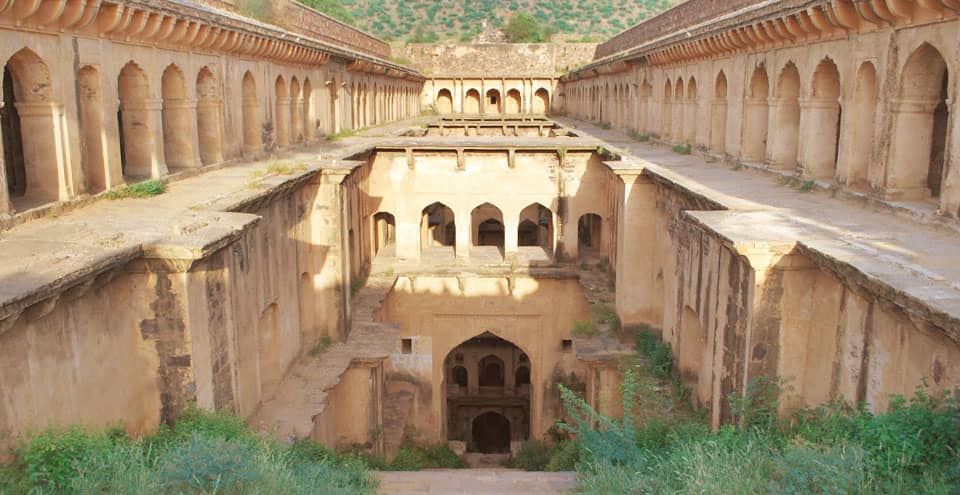
Located in Neemrana, the Neemrana Baori is not very far from the fort palace. The first sight itself hints at how glorious the place must have been in the past. A marvel of architecture, Neemrana Baori looks more like a fortress than a step well. With each floor having a height of about 20 feet, and with 9 floors making up the entire structure, you can imagine how deep it runs. There are no carvings in the structure, maybe because it was built rather later in time, after the more architectural times of earlier centuries. However, the structure still shows all signs of being a glorious building. At the ground level, there used to be colonnaded openings later they had to descend steps to reach the deep water source. The lower steps or floors were of course under water most of the time. In its essence, the Neemrana Baori is a glimpse into the architectural nuances of the past, gazing upon which you shall be thoroughly amazed!
FEATURED ARTICLE
Lal Masjid Tijara
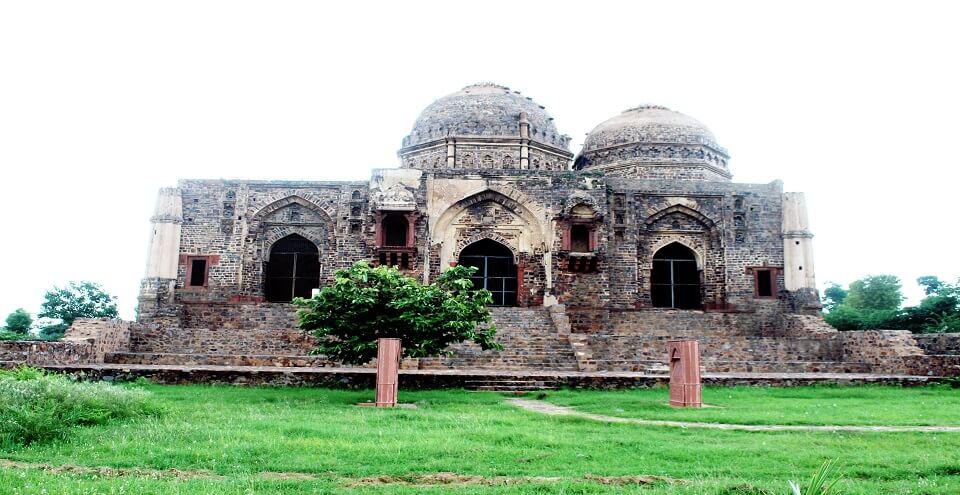
The mosque situated to the east of Tijara Town is popularly known as Lal Masjid. It is approximately 55 km from Alwar city. The red sandstone structure is rectangular with minars at four corners and arched doorways. The three arched doorways open into a hall which used to have three domes. The southern dome, however, has fallen. Faint Arabic inscriptions are painted at places on the plastered surface in the northern part of the hall. Entry timing: Sunrise to Sunset
FEATURED ARTICLE
Raja Bharthrihari Panorama
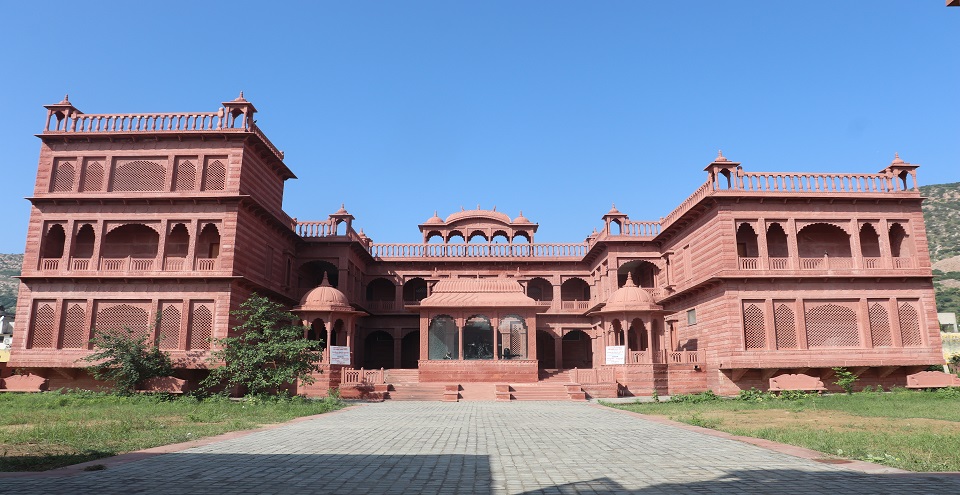
Raja Bharthrihari ji were ruler of Malwa region and later in his life left his kingdom in search of spirituality. He traveled extensively around the forests of Alwar- Viratnagar. The interesting story of the royalty doing penance as a disciple of Guru Gorakh Nath and then settling in the public mind comes to life in this panorama. Panorama Bhawan is itself an attractive architectural building. A visit to Alwar cannot be completed without seeing this panorama. Entry timing: 10.00 am to 05.00 pm, Ticket: 10 Rs for Adult and 5 Rs for Children
FEATURED ARTICLE
Veer Hasan Khan Mewati Panorama
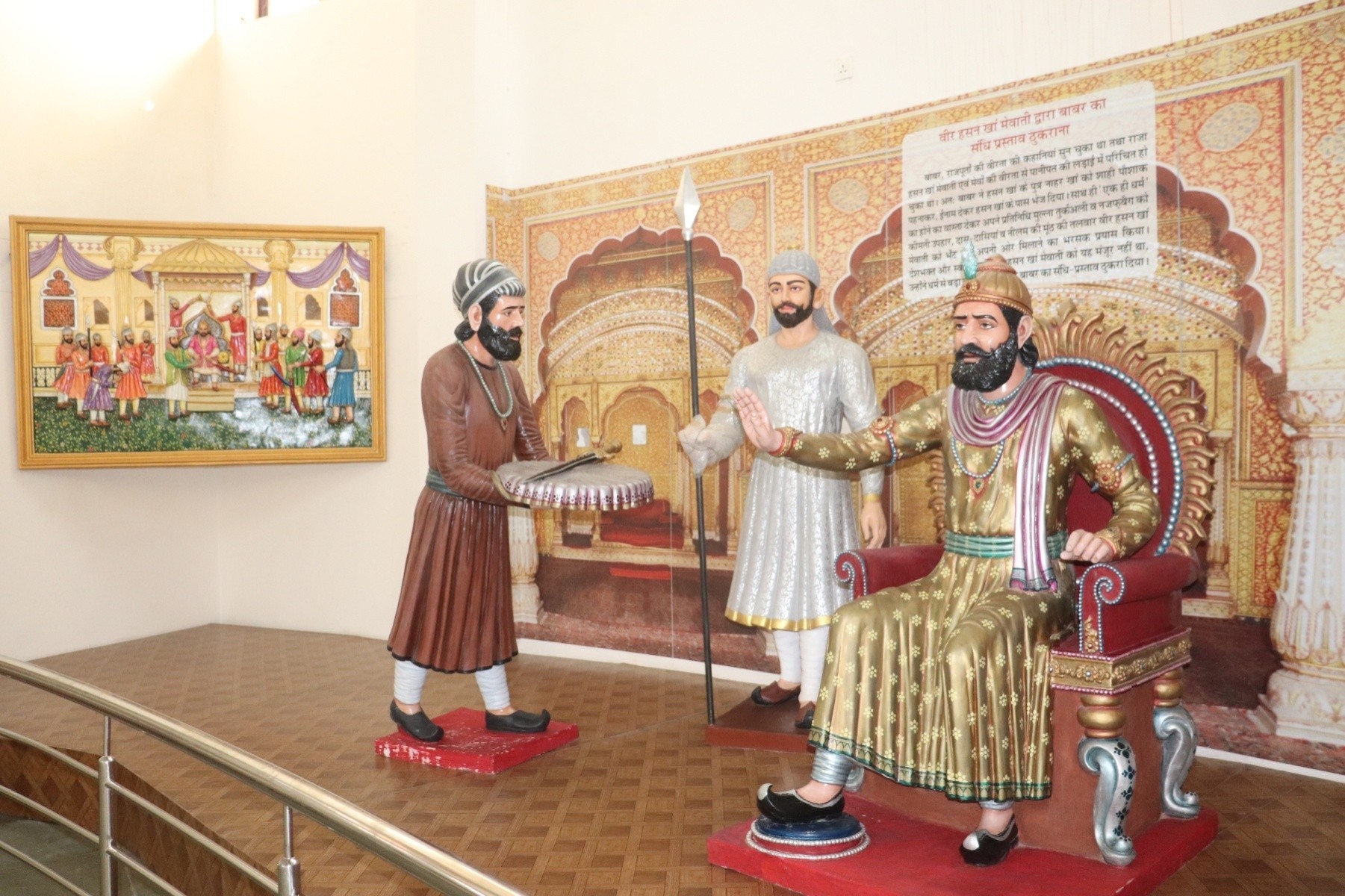
Hasan Khan Mewati was great warrior and patriot of Alwar region. He is also known as Shah- a-Mewat. Hasan Khan fought along with Maharana Sanga in the Battle of Khanwa against Mughal ruler Babur. The panorama dedicated to this great personality depicts the life story and great events of medieval India. Panorama also houses a life size statue of Hasan Khan and the building is designed artistically. Entry timing: 10.00 am to 05.00 pm
FEATURED ARTICLE
Hope Circus
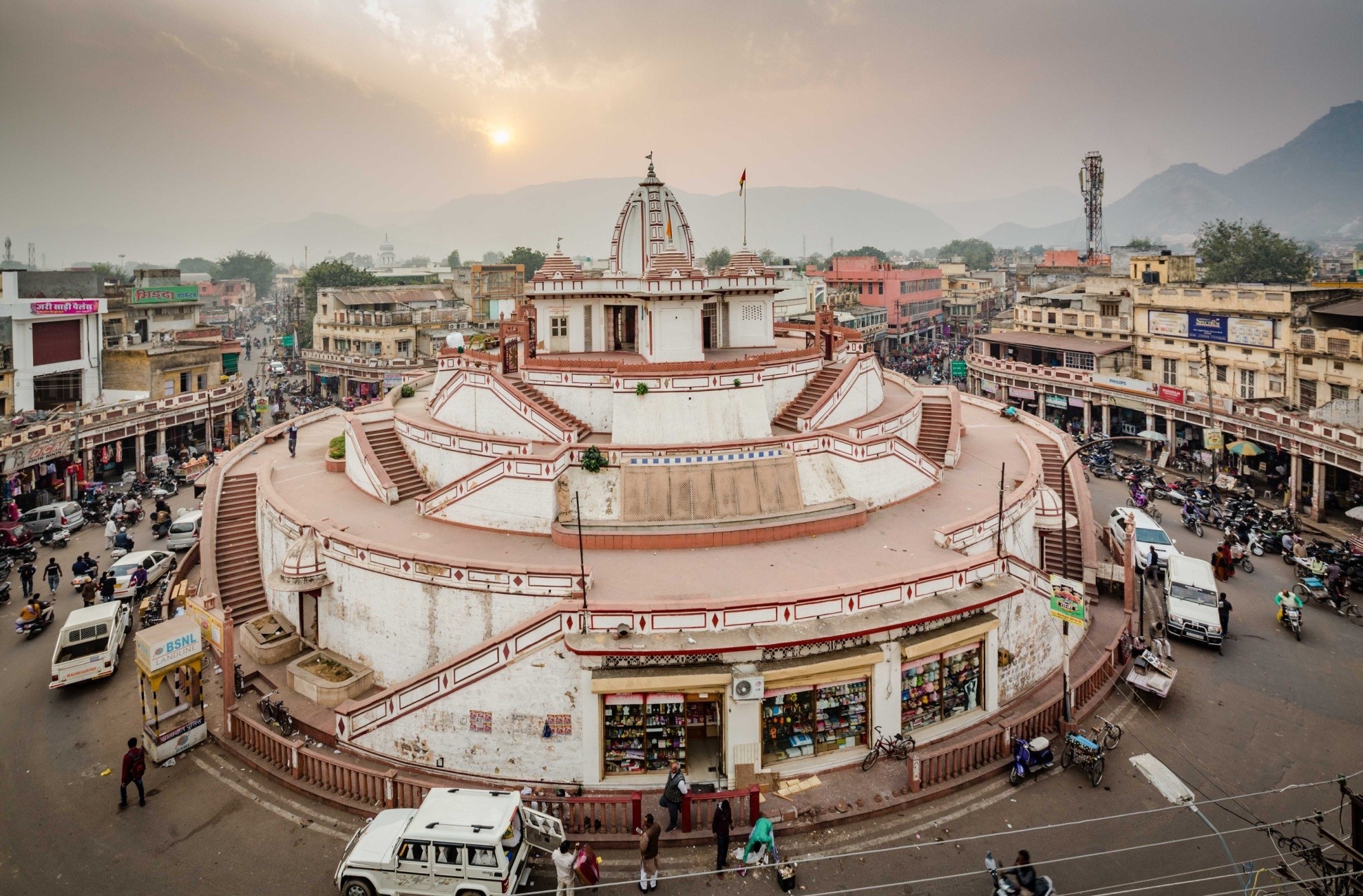
The city centre Hope Circus around bustling markets in Alwar is best accessible on foot. Famous markets of city is located in close proximity to this place. Hope circus was inaugurated in the year 1940. This is a circular heritage of city with stairs towards top from all four directions. Famous city markets of Alwar is located in close proximity to this place.